
Why Knowing What You Want Is Not Enough — and How to Begin Creating Change
“I Know What I Want—So Why Am I Still Stuck?”
Feeling stuck despite knowing what you want? Discover how anxiety, self-trust, and safety shape change — with guidance from a Los Angeles therapist.
Moments in our lives present themselves where we begin to notice that something may need to change in how we respond to stress. Maybe someone in your life starts to point it out, or a familiar thought resurfaces — I know I need to change. In the moment you hear it, whether from others or from yourself, there is often an urgent pull to address it.
And then the stuckness takes over.
That frozen feeling can settle in because doing something unfamiliar is also scary and uncomfortable. So instead of movement, you’re left in the same place — knowing something needs to change, but feeling unable to move toward it.
Adults who begin therapy for anxiety with me in Los Angeles describe this stuckness in different ways, but the bottom line is often the same: they know what is happening, yet they struggle to get themselves out of the cycle. It can feel hard to step out of patterns that have become natural, immovable, and automatic over time.
Many of these adults have learned to rely heavily on awareness — to push through feelings, hold it together, or believe that emotions are a waste of time to sit with. When that happens, life becomes something you manage cognitively rather than experience emotionally.
The frustration of wanting to get somewhere but feeling unable to is rarely about a lack of motivation or effort. More often, it shows up when change has become a safety and nervous system issue. In this blog, we’ll explore why that stuckness exists and how change can begin when it feels almost impossible to move forward.
Because the focus here is not pushing through emotions to gain clarity, but learning how to work with the frustration and stuckness instead— a core theme I hold in my work providing therapy for anxiety with my clients.
Why Insight Alone Isn’t Enough for Anxiety Relief
If we think about healing anxiety as an overarching goal, insight and awareness often become the first step. They allow us to notice patterns — how we react, what situations trigger us, and where we tend to get stuck. But insight alone is not the full picture of what’s happening internally.
When awareness becomes the endpoint, we can end up living our lives more cognitively and less emotionally — pushing through feelings, holding it together, or believing emotions are something to get past rather than sit with.

This approach misses why anxiety shows up in the first place and the role it plays in our lives — a role that looks different for everyone. It also overlooks the nervous system: how it has been shaped by past experiences and how those experiences were perceived. These patterns are what inform our reactions and behaviors, both with ourselves and in relationships.
I often describe these reactions as defense mechanisms — simply another way of naming the behaviors we use to ease discomfort or uncertainty in the moment. You might notice them as they happen, but the deeper question that is often left unexplored: Why does this pattern exist? What led my body to respond this way?
There is so much information held in how the body has learned to cope with uncomfortable or overwhelming situations.
This is where my work as an anxiety therapist in Los Angeles, CA focuses — helping clients learn to be with their bodies and with anxiety itself. Together, we begin noticing when the nervous system is in distress versus when it feels safe, and learning how to respond to what it needs in different moments.
How Anxiety Hijacks Your Nervous System and Blocks Change
I often think about anxiety — and mental health concerns more broadly — as being like a misunderstood family member. The one who can be dramatic, quick to judge, and struggles to sit still long enough to become curious. You might recognize this in someone you’ve known for a long time, who gets summarized as, “Oh, that’s just how they are,” or “You know how they are.” Those labels don’t leave much room to ask, Why are they like this? or What led them here?
This is often how anxiety is treated — as an annoying thing that’s just there, doing what it does because it’s anxiety. We dismiss it, ignore it, or try to get rid of it as quickly as possible. Rarely do we slow down enough to relate to it from a place of curiosity.
At its core, anxiety is a fearful and protective part of us, trying to prevent pain or hurt from happening again. From a very early age, the nervous system takes in information about experiences — what felt safe, what felt overwhelming, what led to comfort or distress. In the simplest terms, it keeps an internal record of what worked and what didn’t. That information then gets carried forward into future decisions and responses.
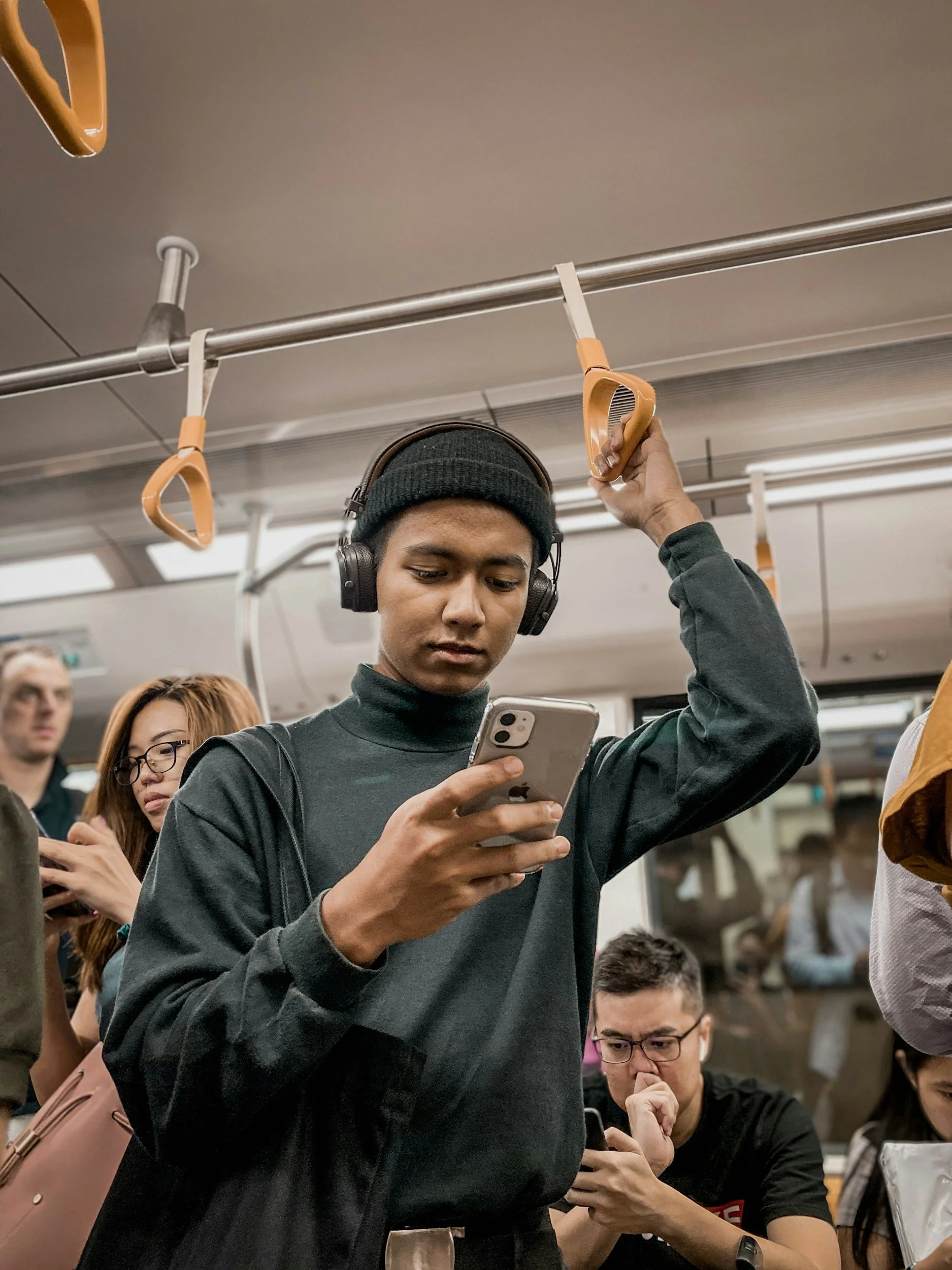
When something feels unsafe or unfamiliar, protection becomes the nervous system’s automatic response.
Anxiety can show up in many different ways, including:
Procrastination:
Consistently putting off important tasks or avoiding situations that feel anxiety-provoking.
Overthinking:
Getting caught in spirals of “what if” scenarios in an attempt to find the least scary option — only to have every option feel like a worst-case scenario, leaving you stuck.
Emotional numbing:
Avoiding emotions altogether, which prevents them from being processed and allows them to linger beneath the surface, often resurfacing when you least expect it.
Avoidance:
Seeking temporary relief by pushing anxiety away through distraction, busyness, or mind-numbing activities.
These protective behaviors don’t only show up when you feel overwhelmed. They often become most active when you’re trying to change. Doing something different can activate anxiety’s alarm system because it doesn’t yet know what to expect — or whether you’ll be safe if you move beyond what’s familiar.
Without reassurance that you’ll be okay, change can feel like pushing against an unmoving wall.
High-Functioning Adults Struggling With Anxiety and Stuck Patterns
These protective patterns don’t always look dramatic. Sometimes they look like achievement. Many people who seek anxiety therapy are not falling apart—they’re functioning, achieving, and holding everything together, while feeling deeply stuck inside. Yet there is often an ache that something is missing. It might show up as wanting more connection with those around them, feeling exhausted in the role they hold within relationships, or carrying a quiet sense of dissatisfaction without being able to pinpoint why.
For adults who have learned to push through emotions or “hold it together,” anxiety often gets dismissed as an inconvenience. There’s no time for feelings when there is so much to do and so many people depending on them. But what they may not realize is that, in the process, they are consistently putting off their own needs.
This is something I see often in my work with first-generation, BIPOC, and Queer individuals who grew up in families where emotions were minimized or not attended to. Many parents were doing the best they could, often without having been taught how to tend to their own feelings. And so the message carries forward. As adults, we downplay our struggles, our emotions, and our needs—because that is what we were shown.
Therapy is rarely the first thought for many of these adults. Many come to work with me as an anxiety therapist in Los Angeles, CA having already minimized their anxiety. They’ve learned to manage it through coping strategies like staying busy, achieving more, or taking care of everyone else. Their concerns never feel “bad enough” to justify support because they’ve never slowed down long enough to notice the toll it has taken—until someone close to them says something, or they find themselves on the edge of burnout.
There is a common misconception that things have to be really bad before you seek help. They don’t. You do not need a crisis to begin anxiety therapy.
Why Anxiety Makes Change Feel Urgent but Motivation Feels Low
Sometimes it takes a crisis to spark the motivation to change. It can feel easier to take action when something becomes overwhelming than when everything feels “fine.” Urgency activates the nervous system. It creates movement.
Maybe it comes from repeated conflict in a relationship where you feel misunderstood. Maybe you notice time passing without anything shifting. Or perhaps the quiet dissatisfaction you’ve been carrying becomes harder to ignore. The urgency builds.
But even when the desire for change feels strong, it doesn’t automatically dissolve the resistance.
Shutting down often happens when urgency moves faster than your body’s sense of safety. As we discussed earlier, anxiety’s primary goal is protection. If your nervous system does not feel ready, it will slow you down—sometimes through overwhelm, paralysis, or a sudden drop in motivation.
Your body is not failing you when motivation feels low. It may be communicating something important: “I’m not ready yet.”
And that message deserves curiosity, not criticism.
How Anxiety Makes You Doubt Yourself
Even when you know what you want, anxiety can make you doubt whether you’re allowed to choose it.
I’ve come to find that clients—especially first-generation, BIPOC, and Queer clients—are able to sustain change when their understanding of their body strengthens. And that often begins in the exact moment they’re caught in a decision.
For many, overthinking became a way to stay safe. When you grow up in environments where expectations are high and mistakes feel costly, thinking through every possible outcome can feel necessary. Not doing so might have once meant chaos, criticism, or disconnection.
So when anxiety shows up in a decision, the body often communicates something like: “I remember this feeling. The last time I chose, I didn’t feel safe.”
And that’s where things get stuck.
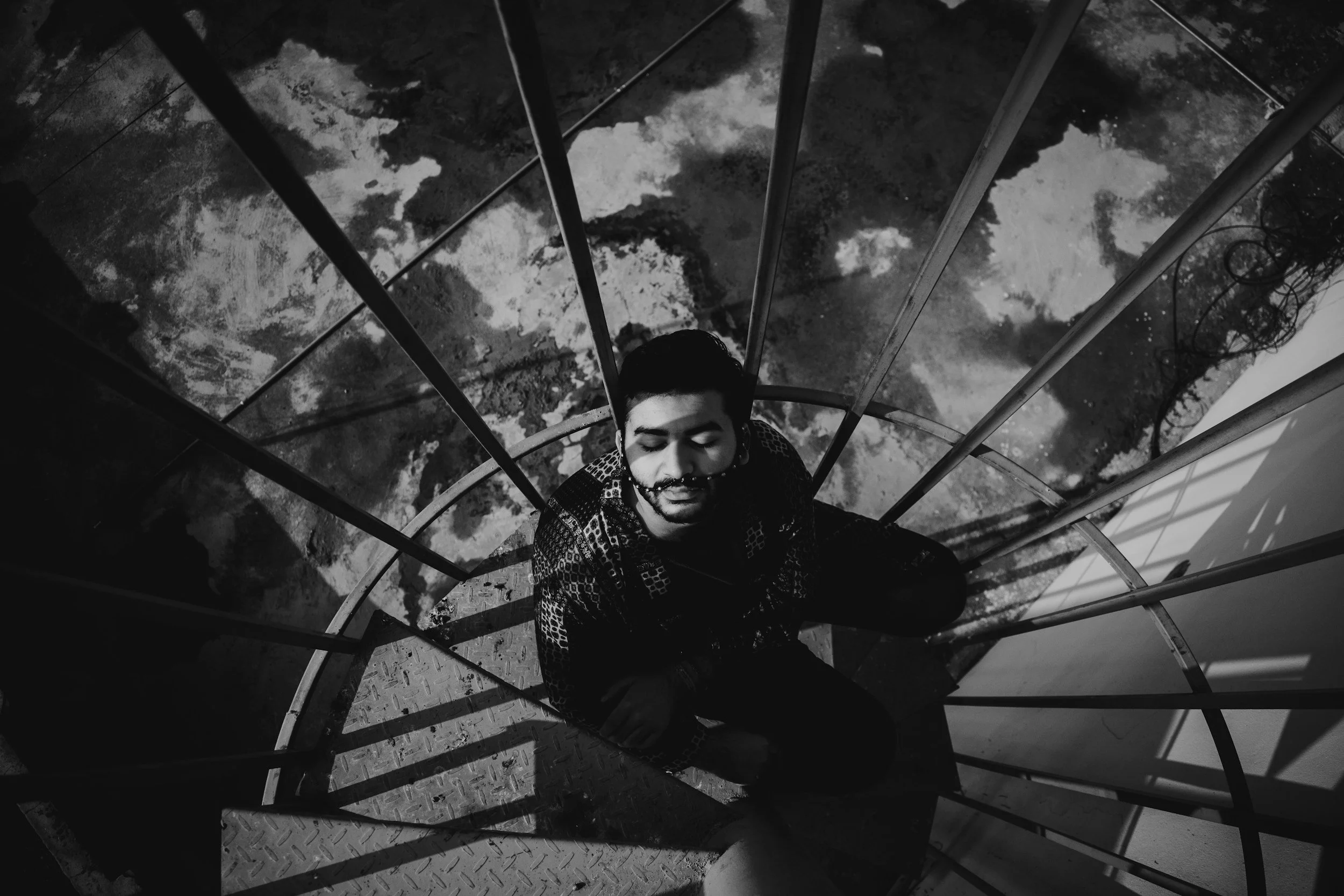
You may logically know what you want. But if your body doesn’t feel safe enough to tolerate uncertainty or discomfort, it will default to protection.
Not because you lack clarity. But because your nervous system is trying to keep you safe.
When Knowing Isn’t Enough: How Safety Sparks Change
If knowing what you want hasn’t translated into change, it does not mean you are failing or not trying hard enough. More often, it means your nervous system does not yet feel safe enough to do something different.
Change rarely begins with pressure. It begins with safety — with slowing down enough to understand what your anxiety has been protecting you from, and why those protections made sense at some point in your life.
In my work as an anxiety therapist in Los Angeles, CA, I focus less on pushing for quick shifts and more on helping you build the internal steadiness that allows change to feel possible. Therapy becomes a place to practice that safety. A place where patterns can be slowed down instead of judged. A place where you do not have to override your body in order to grow.
I work with adults — especially first-generation, BIPOC, and Queer individuals — who are used to holding everything together on their own. Many are insightful and self-aware, but exhausted from trying to think their way out of anxiety. You do not need to have everything figured out before beginning. You do not need to be in crisis. You can start from simply noticing that something feels stuck and wanting it to feel different.
Stuck does not mean broken. It often means your system is asking for safety before it is willing to move.
You deserve support that honors who you are, where you come from, and who you’re becoming.
Whenever you’re ready, I’m here. I offer free consultations to see if working together feels like the right next step.
Schedule a free consultation or call (323) 493-6644 to get started.

Ligia Orellana, LMFT (#122659)
I’m an anxiety therapist in Los Angeles, California, certified in LGBTQ+ Affirmative Therapy and Somatic Attachment Therapy. I help first-generation BIPOC and Queer adults who feel the pressure to hold it all together move through self-doubt, anxiety, and relationship struggles. My work creates space for deeper connection and self-trust through emotional safety and cultural understanding.
Learn more about my work with relationship stress, people-pleasing and self-doubt, and online therapy, or visit my About page to learn more.
