
Reflecting on Healing | An Anxiety Therapist in Los Angeles on the New Year

An anxiety therapist in Los Angeles reflects on slowing down, intention, and letting go of pressure as the new year begins—without needing to reinvent yourself.
December has slowly become a quieter, more spacious month in my anxiety therapy practice here in Los Angeles—and honestly, that shift has felt grounding in the best way. The slower pace allows me to reflect on the past year, soften my own nervous system, and model that same slowing down for the clients I work with.
This season of pause matters during the holiday season and into the new year. When I am grounded, I can more intentionally support clients as they reflect on how they have been showing up for themselves and what they want to carry with them into the new year—a period of time that often brings heightened stress, family dynamics, and emotional overwhelm. For many clients I have worked with consistently through the end of 2024 and into 2025, this kind of reflection is more accessible because they have practiced it in small ways throughout our work together.
Holiday sessions are especially meaningful because they create space to slow down, reflect, and acknowledge wins that often go unnoticed, and to practice intention rather than pressure or survival. They also allow us to gently challenge the idea that the new year has to come with drastic resolutions or a “new year, new me” mindset. Instead, we focus on kindness, realism, and self-trust.
Why the New Year Is Hard for Anxious, High-Functioning Adults
This is a familiar feeling for many of my clients I see as an anxiety therapist in Los Angeles—especially those who grew up as first-generation, BIPOC, and/or queer. Anxiety around the new year and the pressure that comes with it is something they know very well. Failing often does not feel like an option. That pressure has helped them push through tough moments in order to accomplish a lot. Over time, even insight and reflection can start to feel like something they should be doing “better” by now, rather than something meant to support them. Not having pressure can almost feel like an impossible outcome, especially if they have never been shown an alternative way of being.

Anxiety around the new year and the pressure that comes with it is something many of my clients I see as an anxiety therapist in Los Angeles—especially those who grew up as first-generation, BIPOC, and/or queer.
For a long time, I had a complicated relationship with the new year. January felt like an unavoidable, invisible heaviness—to fix, improve, and optimize every part of my life all at once. The overachiever and perfectionist in me believed that setting more goals would make me feel fulfilled. Instead, it was suffocating, overwhelming, and exhausting.
What actually happened was the opposite. I would set a high bar, struggle to meet it, and end up feeling unproductive, overwhelmed, and irritable. This mirrors what I often observe in clients who feel an automatic urge to put everything on their plates because they never learned that worth can come from meeting their body and capacity where it is.
Over time, I had to learn to be honest with myself about my capacity—what was actually feasible given the time, energy, and emotional bandwidth I had. This is something I translate into my work with adults who have lived by over-functioning, especially during the first month of the new year.
From Resolutions to Intention: A Gentler Way to Begin the Year
My work with high-functioning anxiety has taught me to reframe the language we use around the new year. I intentionally choose words that feel gentler than “resolutions.” Over time, I’ve noticed that resolutions are often tied to an automatic sense of pressure—one that does not support first-generation individuals with anxious nervous systems or those who struggle with self-doubt. Because my practice centers adults who have spent their lives holding it together and pushing through emotions, intention-setting feels more compassionate, realistic, and sustainable.
About three years ago, my therapist suggested I create a vision board when my anxiety was getting in the way of executing goals. I appreciated the sense of hope that came with imagining the new year, and it helped narrow my focus. But even then, I found myself trying to fill the entire page with too many goals (looking back, I probably should not have used a poster board). There was an internal expectation that of course it needed to be filled—there was so much to fix. That familiar belief that nothing I did was ever quite enough showed up again.
When I slowed down and looked more closely, I realized many of those goals were not rooted in what I truly wanted. They were shaped by external expectations and a need to prove something—to others and to myself. They felt necessary, but I couldn’t always explain why.
That realization became an invitation to ask deeper questions—the same process I guide my clients through in anxiety therapy.
Listening Inward Instead of Pushing Through
One question I return to often, both personally and with clients who struggle with second-guessing and emotional expression, is why. This question is powerful because it introduces choice to people who believed there was only one way to navigate life and manage anxiety. When we move away from black-and-white thinking, we begin the deeper work of understanding the disconnection in the body that forms after years of emotional suppression, people-pleasing, and over-responsibility.
‘Why do you feel responsible for being the planner, the listener, the unproblematic one?’
'Why do you push your emotions down to keep others comfortable, even when it hurts you?’
For me, the question became: Why is it important to have so many goals when I know it isn’t sustainable? When I listened more closely, the answer was tied to a familiar belief—I am not enough. That belief has been protective, pushing me to strive and achieve, but it also kept me stuck in a cycle of burnout and self-criticism. At the end of 2024, I chose to do something different. I entered the new year with the intention of setting goals that were gentler and more attuned to my nervous system.
What Sustainable Intention Actually Looks Like
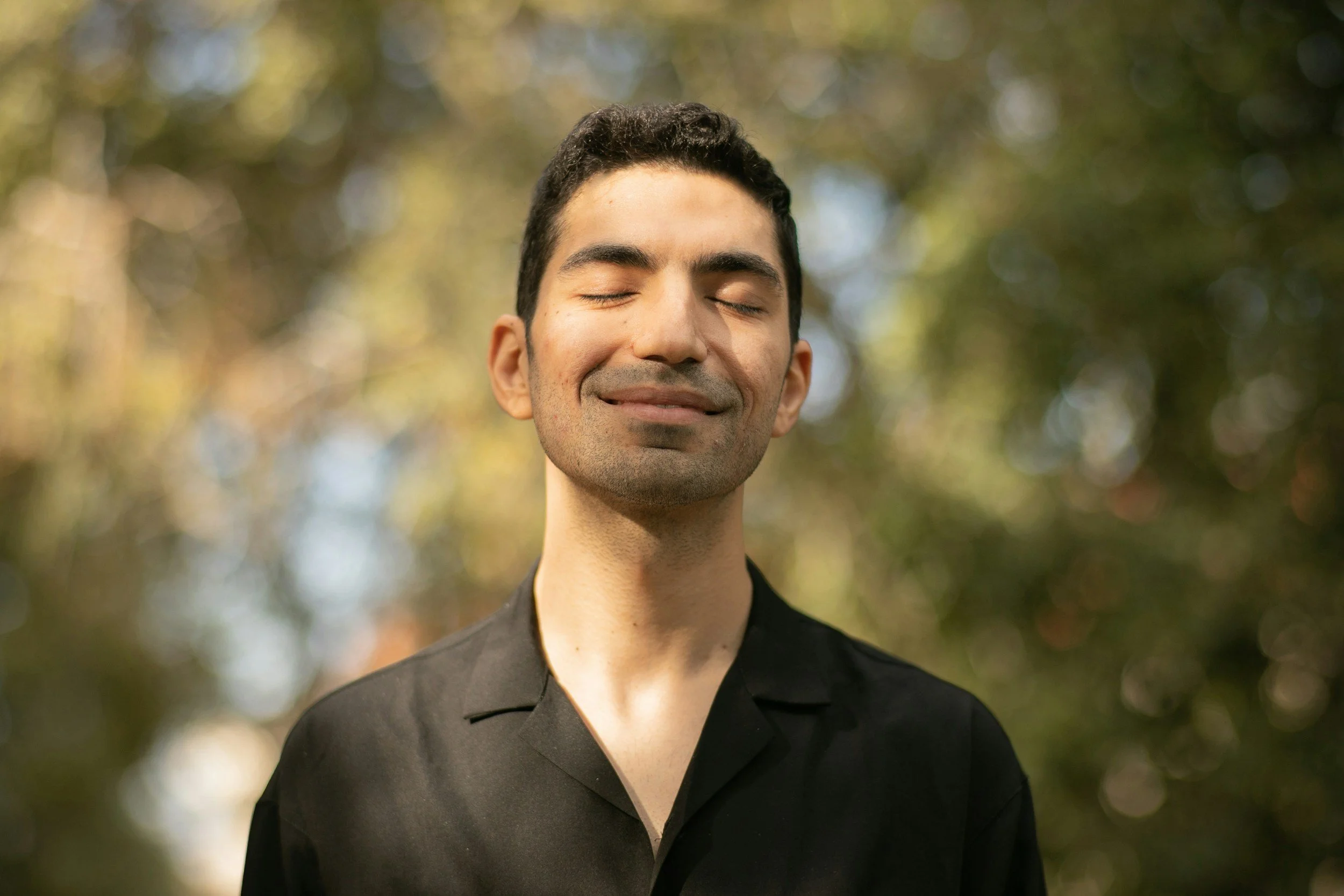
A focus on smaller, more sustainable ways of working toward change over time allows clients to experience progress, acknowledge small wins, and feel accomplished—rather than staying stuck in the disappointment of goals that never feel met.
Throughout my work as an anxiety therapist supporting individuals who struggle with self-doubt in relationships and within themselves, I integrate small, intentional ways for clients to practice being gentler with themselves. This work involves challenging internalized expectations and pressures.
As the new year begins, we gently question the belief that it has to be about drastic change or a “new year, new me” mindset, and instead explore how each person can give themselves permission to move more slowly and decide what “enough” looks like for them.
Rather than creating large vision boards filled edge-to-edge with goals, we focus on smaller, more sustainable ways of working toward change over time. This allows clients to experience progress, acknowledge small wins, and feel accomplished—rather than staying stuck in the disappointment of goals that never feel met.
This is also how I approach my own life and the new year. I created a simple, printable vision board using Canva and focused on themes rather than outcomes. I added affirmations that were specific and meaningful to me, placed it somewhere visible, and shared it with people I trust and feel safe with.
As I reflected on it while creating my 2026 vision board, I noticed something important: I had engaged with every theme in some way. It wasn’t perfect—but it was intentional, compassionate, and sustainable.
And for the first time, that felt like enough. There was no heaviness of pressure or disappointment.
Entering the New Year Without Needing to Perform
If the new year brings up pressure, self-doubt, or anxiety for you, you’re not alone. Healing doesn’t require re inventing yourself; it often begins with slowing down, listening inward, and choosing intention over expectation. You do not have to do everything or be everything for others.
As an anxiety therapist in Los Angeles, this is the work I support clients in every day: moving away from overwhelm and toward a steadier, more grounded relationship with themselves—one intentional step at a time.
If you’re curious about what healing could look like or what to expect when starting therapy, I invite you to explore the possibility of working together. You deserve support that honors who you are, where you come from, and who you’re becoming.
Whenever you’re ready, I’m here.
Schedule a Free Consultation at (323) 493-6644 or Book Here.
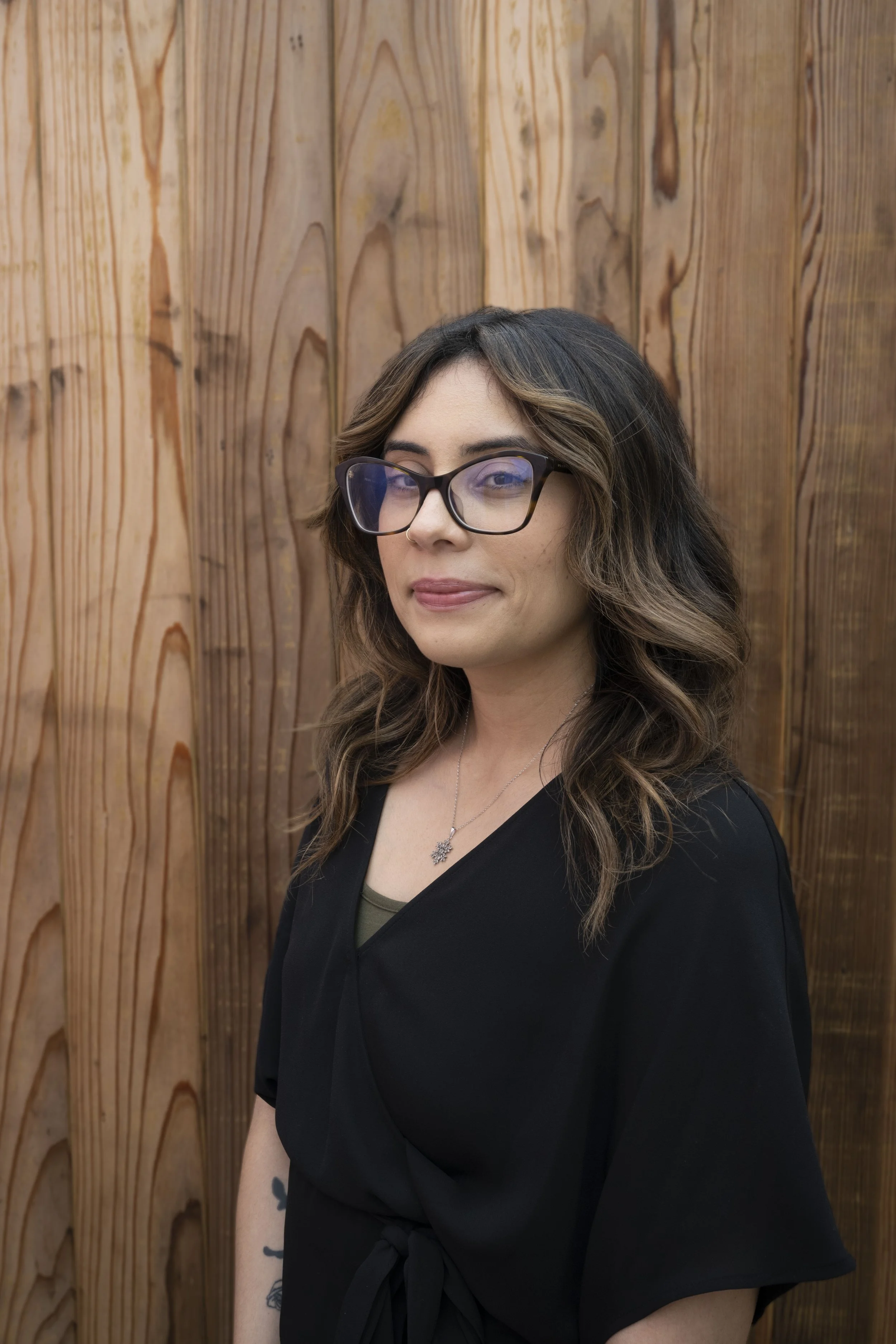
Ligia Orellana, LMFT (#122659)
I’m an anxiety therapist in Los Angeles, California, certified in LGBTQ+ Affirmative Therapy and Somatic Attachment Therapy. I help first-generation BIPOC and Queer adults who feel the pressure to hold it all together move through self-doubt, anxiety, and relationship struggles. My work creates space for deeper connection and self-trust through emotional safety and cultural understanding.
Learn more about my work with relationship stress, people-pleasing and self-doubt, and online therapy, or visit my About page to learn more.
