
When Family Loyalty and Emotional Safety Feel at Odds
What Makes Setting Boundaries and Going No-Contact So Emotionally Difficult?
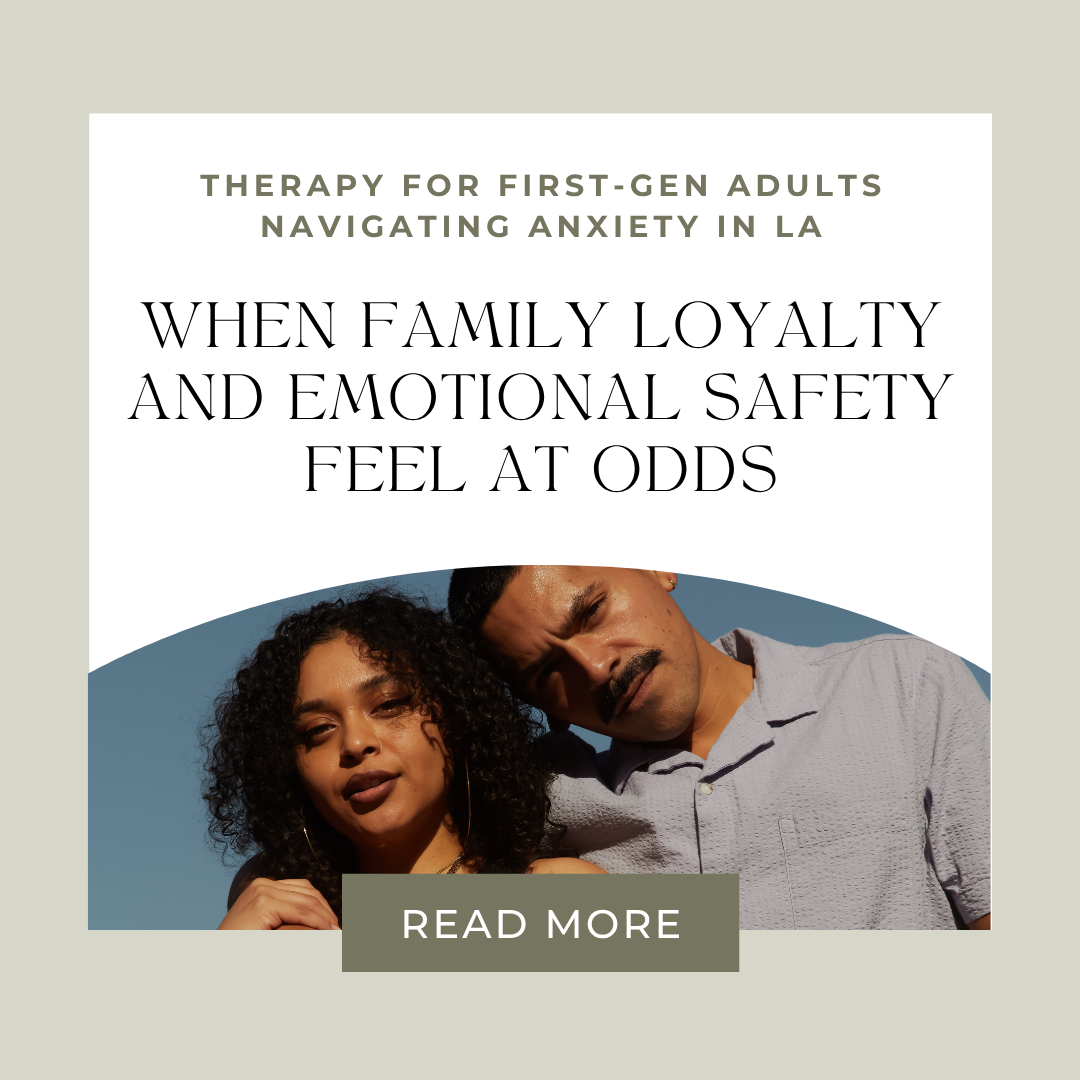
Setting boundaries can bring up guilt, grief, and uncertainty, especially within relationships shaped by cultural expectations and family loyalty.
Growing up around invisible rules of connection can shape the way we relate to family and friendships, especially when it comes to decisions like creating distance or going no-contact, in ways we don’t always fully understand until later in life. We often learn early on that stepping outside of those expectations can bring guilt or shame, particularly within cultures where family loyalty and closeness are deeply rooted.
For many First Gen, BIPOC, and Queer folks, especially within Latino and BIPOC cultures, this can create tension between wanting to connect in a way that feels authentic and fearing that doing so will feel wrong or hurtful to others. Cultural and generational expectations can become heavy, leaving people feeling stuck between themselves and the relationships they are trying to maintain.
Social media has highlighted how difficult the journey can be when trying to create boundaries within the complexities of family loyalty. And with more visibility comes honest conversations around this topic and a sense of unison and community, which we all need more of in this moment.
As an anxiety therapist in Los Angeles, CA, I have observed the positive impact it can have for clients to open their minds to new possibilities that they may not have known could exist. I recently shared my perspective on how boundary-making can cause distress for families, but not for the reasons many think, for Wearemitu.
When Choosing Yourself Feels Selfish
Choosing yourself can feel selfish or ungrateful, even when certain dynamics feel emotionally draining or no longer sustainable, which is often what leads people to consider creating distance or redefining relationships. At the same time, staying silent or overextending to meet everyone else’s needs can also take a toll over time. Let’s talk about this internal dilemma we experience as we explore moments for ourselves that may stray away from selflessness.

People-pleasing and emotional exhaustion can make it difficult to recognize when your own needs have been pushed aside.
For many people in the BIPOC and Queer communities, life decisions are compounded by cultural, familial, and societal pressures. These pressures can dictate what is considered “acceptable” behavior and what may lead to punishment. For the most part, these consequences of straying away from the norm or acceptable behavior may not be explicitly said aloud. It is felt in our bodies as tension. It shows up in thoughts of “being bad” or in the constant second-guessing. The shame and guilt may be easier for us to identify emotionally, but all of these cultural pressures can keep us in possibly emotionally harmful dynamics to avoid rejection, while sacrificing our internal peace along the way.
Growing up in environments where emotional expression was either invalidated or ignored can make it difficult to sit with discomfort of choosing yourself. As a result, we develop patterns of people-pleasing that can lead to emotional burnout. This can show up as difficulty saying no, trusting our decisions, over-dependence on the opinions of others, overthinking whether we did something wrong in interactions with others, and ultimately how difficult it has been to prioritize your needs because of the fear of disappointing others.
Why Boundaries Can Create Strong Reactions in Families
As a therapist for anxiety who works with clients around cultural pressures, what often keeps them from setting boundaries is the perceived conflict they expect to happen if they try to create limits. The possible backlash, being misunderstood, and the feelings of guilt they may not feel ready to face.
The truth is that when we begin to shift how we show up in relationships, there will often be a reaction. This is something I do not shy away from telling clients because sugarcoating can be more harmful if we are not emotionally prepared for these possibilities.
At the same time I help them understand why boundaries can create strong reactions:
“Change naturally brings discomfort, especially in family systems. What often shows up as resistance is also tied to others trying to understand what that change means for their relationship with you.”
In more depth, cultures and families often hold implicit rules about what is right or wrong, sometimes with very little gray area. When our families are used to certain relational patterns and ways of interacting, doing something different can bring up uncertainty to their nervous systems, sparking anxiety, grief, or fear within the family system.
Pushback does not necessarily mean you are bad or wrong, nor does it mean the boundary itself is wrong.
It can be helpful to think about moments in our own lives where something unexpected happened and how our bodies automatically reacted to protect us. That protection can sometimes be the reaction we see in our families around change.

Healing can look like redefining connection in ways that allow you to feel emotionally safe without abandoning yourself.
Redefining Connection Instead of Automatically Choosing No-Contact
When setting strict boundaries or choosing to go no-contact feels unsupportive for you, this is your gentle reminder that it is okay if it is not a feasible option. I like to remind my clients that what works for some people around distance may not work for them because boundary-making and redefining connection are not one-size-fits-all experiences. This can be because of barriers outside of their control or because it may simply not be what they want for themselves.
In my work as a therapist, I often support clients in exploring how to create emotional safety and redefine connection in ways that feel more aligned with who they are becoming, especially when navigating decisions around distance, family relationships, and friendships. That can look like low-contact relationships, emotional boundaries, or temporary distance. It becomes about figuring out together what has felt difficult, what changes they would like to see, and what feels emotionally settling for them as they pursue balance between family loyalty and emotional safety.
It is all about finding a path toward emotional safety amongst cultural pressures and redefining connection in ways that do not lead to self-abandonment. An important tool to carry into romantic relationships, friendships, and professional relationships.
Learning to Build Relationships Without Abandoning Yourself
Reflecting on your relationships as a whole can help you begin to notice which ones lead to crossing your boundaries versus which ones align with your chosen boundaries. This can guide you toward thinking about what is possible within these relationships, the difficulties or barriers in setting limitations, and which relationships may not require strict boundaries.
Reflection prompts to understand the emotional difficulties with boundary making:
When you think about the connections in your life now, which ones bring calm versus ones that make you feel that you are walking on eggshells?
What comes up for you when you think about changing how you show up in your relationships with others?
What do you notice in your feelings, tension, thoughts, or instant body reactions? (Not wanting to think about it is also something to notice).
If we take away the barriers mentioned in the previous question, what feels missing from your relationships?
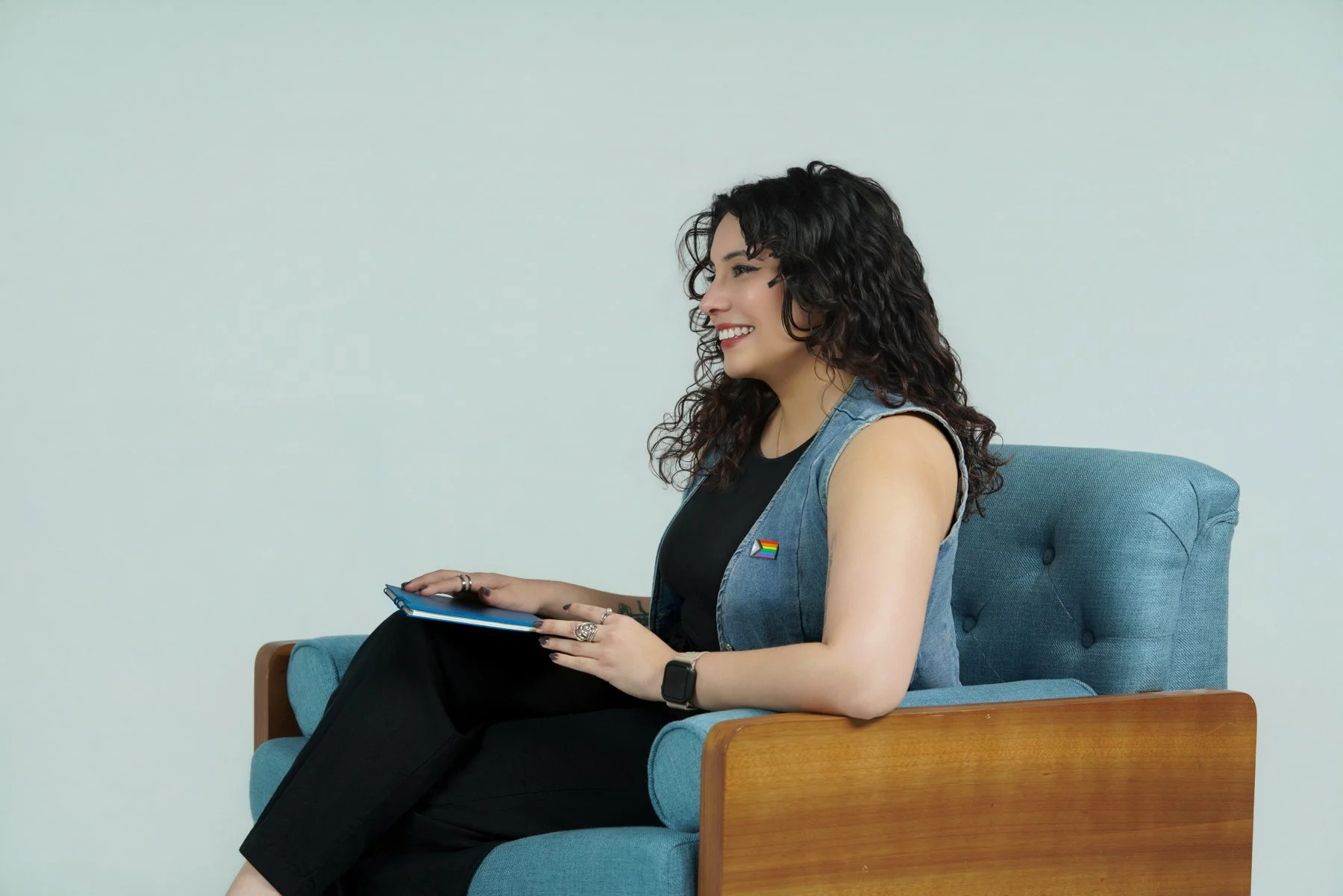
Creating space for emotional safety, reflection, and healing through anxiety therapy in Los Angeles and Torrance, CA.
You Don’t Have to Navigate It Alone
If you have been noticing emotional burnout or an unexplainable tension in your relationships, it may be a sign that something within you is asking for care or wanting to understand where these feelings are coming from. Therapy can offer a gentle, grounding space to explore what’s coming up, understand the impact of cultural pressure, and begin building relationships that do not feel emotionally exhausting.
As a therapist in Torrance, CA, I work with adults navigating anxiety, uncertainty, and emotional burnout that can come from relationship and cultural stress. I support first-generation, BIPOC, and Queer adults who are tired of carrying everything alone and want a more compassionate relationship with themselves and their connections. Together, we create space to understand what is coming up for you while also building tools to help you feel more stable and supported through change.
I also provide anxiety therapy in Los Angeles through virtual therapy sessions across California for adults who may not be local to Torrance but are looking for support around anxiety, overwhelm, and setting boundaries that are sustainable for them. If you’re curious about what healing could look like for you, I invite you to explore the possibility of working together.
Call (323) 493-6644 or book a consultation here.
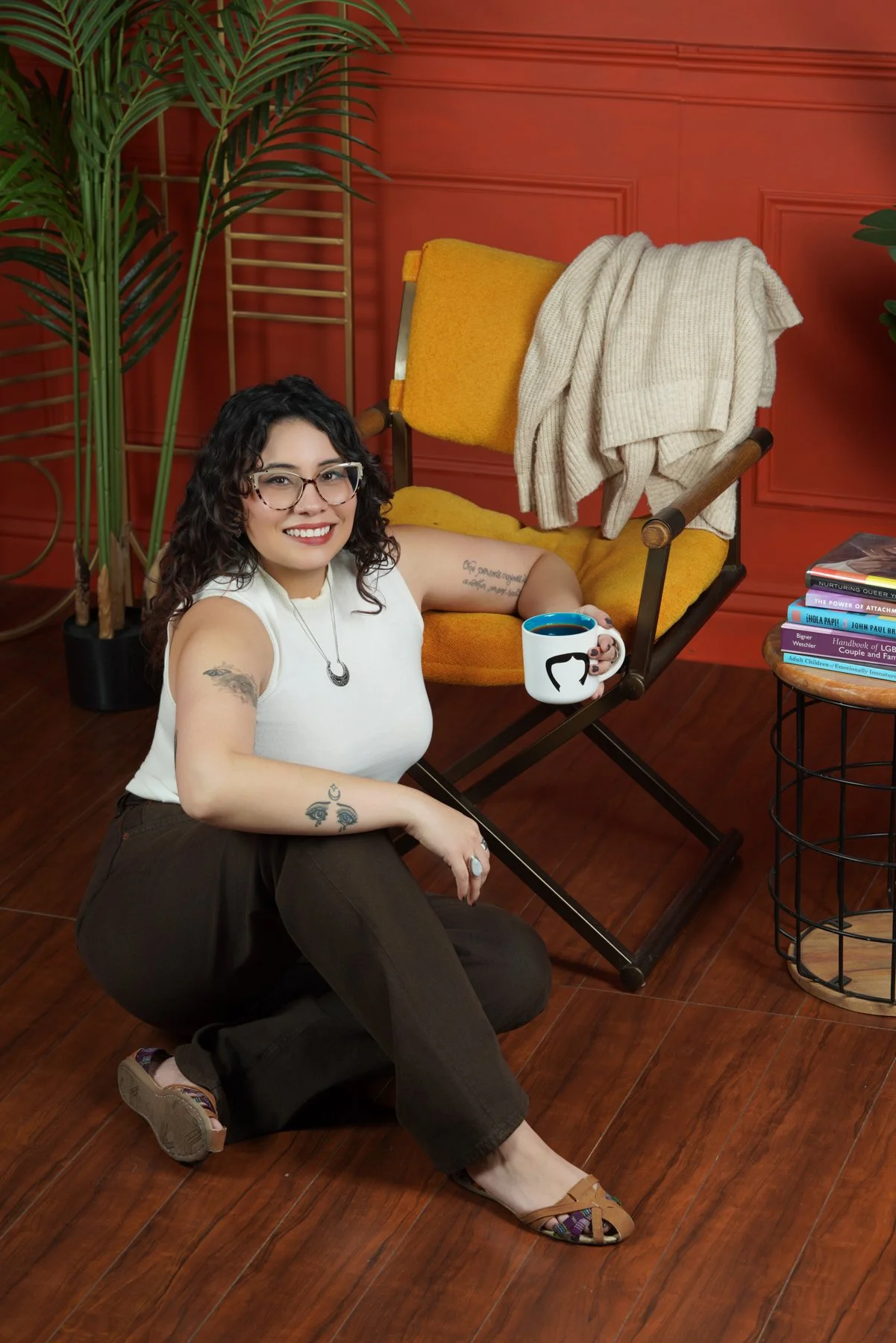
Ligia Orellana, LMFT (#122659)
I’m an anxiety therapist in Los Angeles, California, certified in LGBTQ+ Affirmative Therapy and Somatic Attachment Therapy. I support first-generation BIPOC and Queer adults who feel the pressure to hold it all together in moving through self-doubt, anxiety, and relationship stress. My work creates space for deeper connection and self-trust through emotional safety and cultural understanding.
Learn more about my work in Torrance or through online therapy, explore specialties like relationship stress and people-pleasing and self-doubt, or visit my About page.
