
When Pride Ends: Navigating Anxiety and Uncertainty After Pride Month
Naming What Comes After Pride
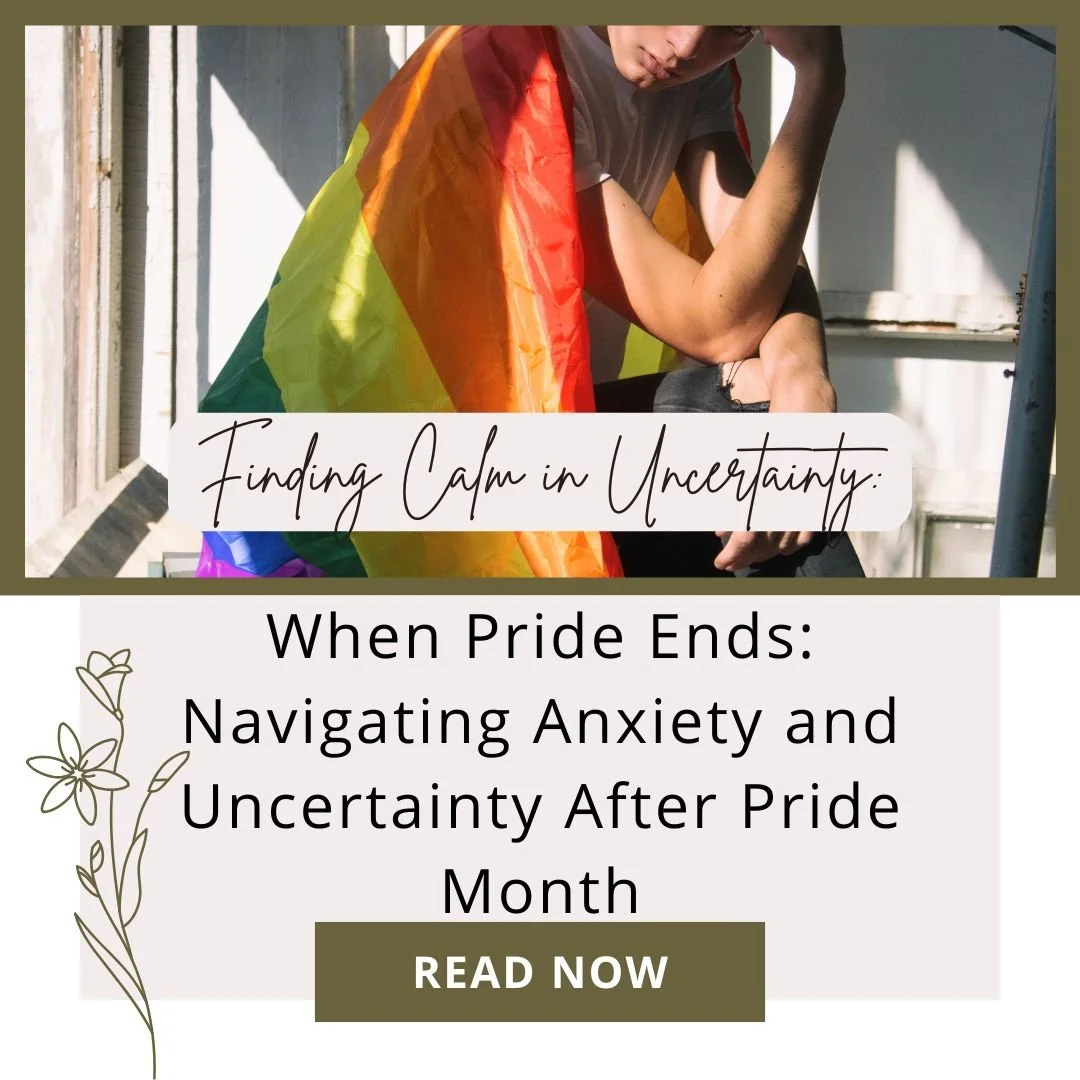
The quiet that follows Pride can bring up unexpected feelings of grief and uncertainty.
For many of my clients in Torrance, there's a sense of euphoria months before June, in anticipation of Pride season in Los Angeles. The amount of celebrations that happen throughout Los Angeles in local queer affirming spaces allows for many to breathe a sigh of relief in being their true authentic selves and being surrounded by like minded people. Especially when it comes to performances whether from local queer artists, those from the drag scene, and the pop icons that make it to the pride events throughout LA County and the South Bay. The happiness is talked about before and during the month, but what about the ache that appears as the month slowly comes to a close and the big celebrations outpouring of acceptance winds down?
It may feel easier to not pay attention to the ache. Naturally, that is how many First Gen BIPOC and Queer adults have learned to cope with feelings of discomfort. As a therapist for anxiety in Torrance CA, I have had the privilege to work with LGBTQ adults who struggle with slowing down, and lean into staying busy to avoid what is happening internally. Some do not even know they are actively avoiding something — but notice they are having trouble sleeping, feel more tired, want to distract themselves more, or avoid talking about themselves by saying “Everything is Fine”.
But if you take time to try to listen to this unexplainable ache, you may notice that you are pushing something to the back of your mind.
Reflection Question: “If this sounds familiar, is there something you had pushed to the back of your head that is around pride month?”
Why the End of Pride Can Bring Unexpected Feelings
For many First Generation adults in BIPOC and Queer communities, their lives are often compounded by cultural, familial, and societal pressures. These pressures dictate what is considered "acceptable" behavior and what emotions are considered "appropriate." This leaks into how they may navigate pride season because it can be felt as a form of escapism from reality. That they almost forget what life is like before or after. That is when the end of pride can bring unexpected feelings that almost feel like a 'post Pride depression.' Especially for those who are experiencing their first pride or live a life where they do not feel seen.
I have worked with QTBIPOC adults in Los Angeles and Torrance, CA who experience a sense of loss and confusion after celebrations like Pride because, in their own lives, they may not feel safe or comfortable to live their authentic life as loud or they feel emotionally drained. Being a part of affirming spaces and community events can help those who hold difficulty in being themselves feel comfortable living loudly because they do not have to feel singled out and can blend in. There is comfort in blending in. Especially around others that feel and look similar to ourselves.
Ending the escapism from reality, even when anticipated, brings a rush of feelings of sadness, grief, and confusion. It brings forward uncertainty in their life around their relationship to their sexual or gender identity, maybe even to community itself. The not knowing of when it is safe to feel that way again. Especially for those still learning to balance a life of cultural/familial/societal pressures with what they want.
Reflection question: “What feeling took you as a surprise during this pride month?”
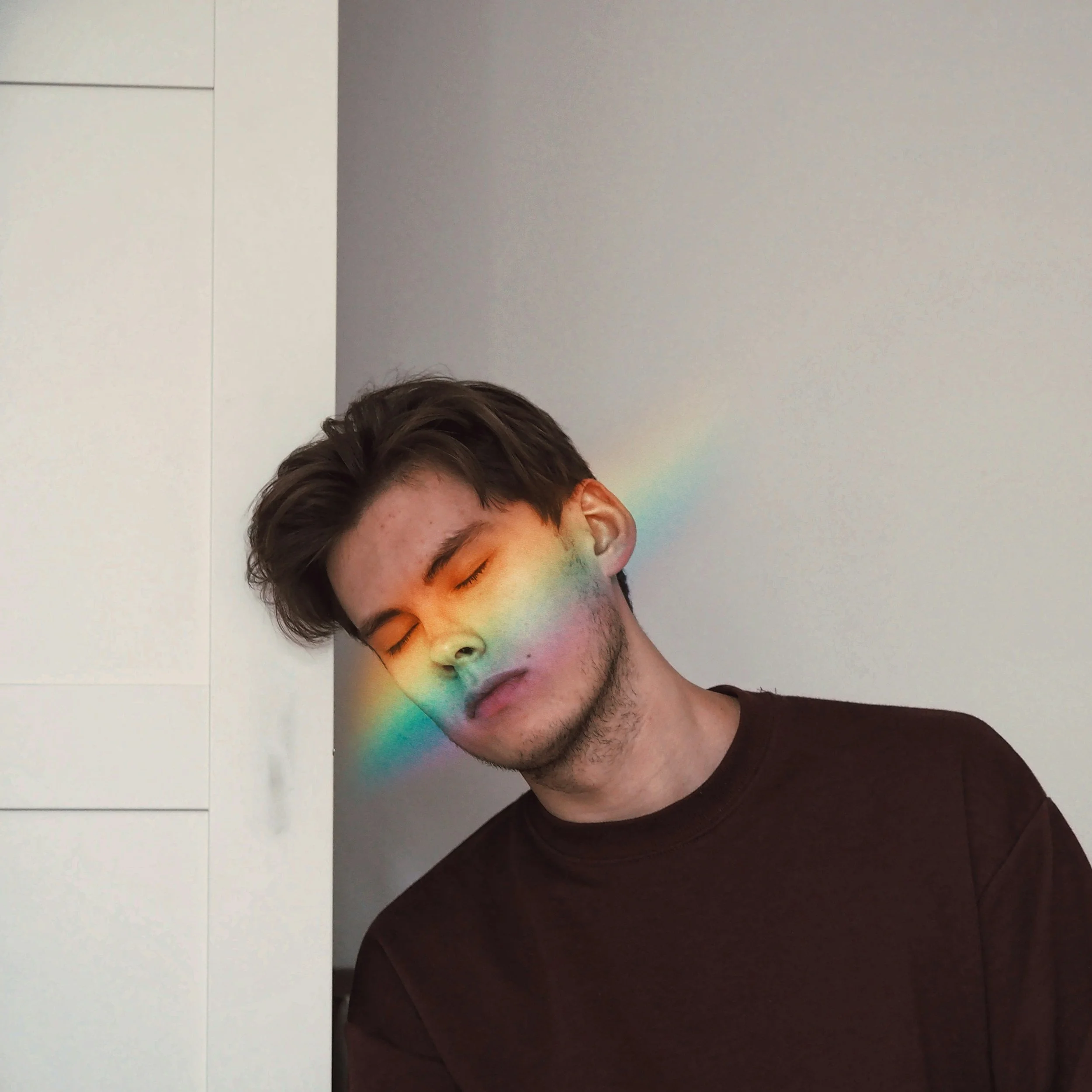
Post-Pride burnout often shows up physically before it's named emotionally.
How Post-Pride Burnout Affects Your Mental Health
Many adults I work with notice how uncertainty impacts their sleep patterns, increases moments of tension, and creates a persistent feeling of being stuck. It can lead to a drop in their mood, which could extend to a tension and confusion around experiencing a sense of loss even though nothing physical has been taken away. This is especially true for QTBIPOC adults who have grown up in environments where emotional expression was either invalidated or ignored. This can make it difficult to sit with emotions that are arising post-pride like anxiety.
As a result, we develop patterns of what is called avoidance. This names the different ways we have learned to retreat when faced with uncomfortable feelings. In post-pride, it can be felt as anxiety from not knowing when the next time will be where you feel free and not constricted. We avoid confronting the feelings directly, distracting ourselves with busy work, entertainment, or responsibilities to friends/family.
In reality, what your body and nervous system is needing is to be with the sadness and grief that comes along with pride being over, especially for those adults who are still struggling with stress around their own connection to their sexual identity and/or gender identity. It is finding some form of calm during the storm of uncertainty. This is where finding ways to stay grounded during and after pride month in Los Angeles and Torrance, CA can be helpful to cope with the come down.
Reflection question: “What distractions or busy work can you identify that you have been engaging in since the end of pride?”
You Are Not Going Backward
It is important to remind ourselves in moments of emotional "drops," where sadness or grief begins to show up, that it does not come from a place of failure or your mental health progress going backwards. It is a sign that you are human, experiencing a wave of emotions that come from a sense of enjoyment and saying 'see you later' to another year of pride. Very much similar emotions to what is experienced being around people throughout the year that see the authentic version of ourselves. There comes a natural drop of contentment and a yearn of wanting more of that euphoric feeling. Especially for adults who feel they have to perform their gender or sexual identity that is not them for means of survival and safety, outside of these moments.
Instances like these, I like to remind my clients to reflect on them because it tells us how important it is for our internal selves to be seen, celebrated, and not 'othered.' When one is struggling with identity safety, these moments are crucial to their anxiety because it gives them felt experiences of being accepted despite growing up around cultural, familial, and societal pressures that have given them messages around it not being possible.
You are not being ‘too much,’ ‘too emotional,’ or ‘too dramatic.’ Your body is craving settings and people that allow your anxiety to know it is okay to be you.
Reflection question: “How can you remind yourself your emotions are valid at the end of pride month?”
Self-Care Tips for Coping With Post-Pride Blues
Letting yourself be with emotions that come with post-pride could feel overwhelming thinking about it because of not knowing how to cope with anxiety after Pride. It can almost feel like 'now what do I do with the anxiety I am feeling,' especially since as First Gen BIPOC and Queer adults no one really teaches you how to sit with emotions and manage with coping skills that are not distractions or busy work. In working within LGBTQ mental health, I have come to find the biggest factor contributing to the post-Pride burnout is very much not having other forms in their life that allow for them to understand their emotions, engaging in mindfulness, and understand the importance of community and self-compassion. They do not have big, just small actions to bring back a sense of control during these moments of uncertainty after pride.
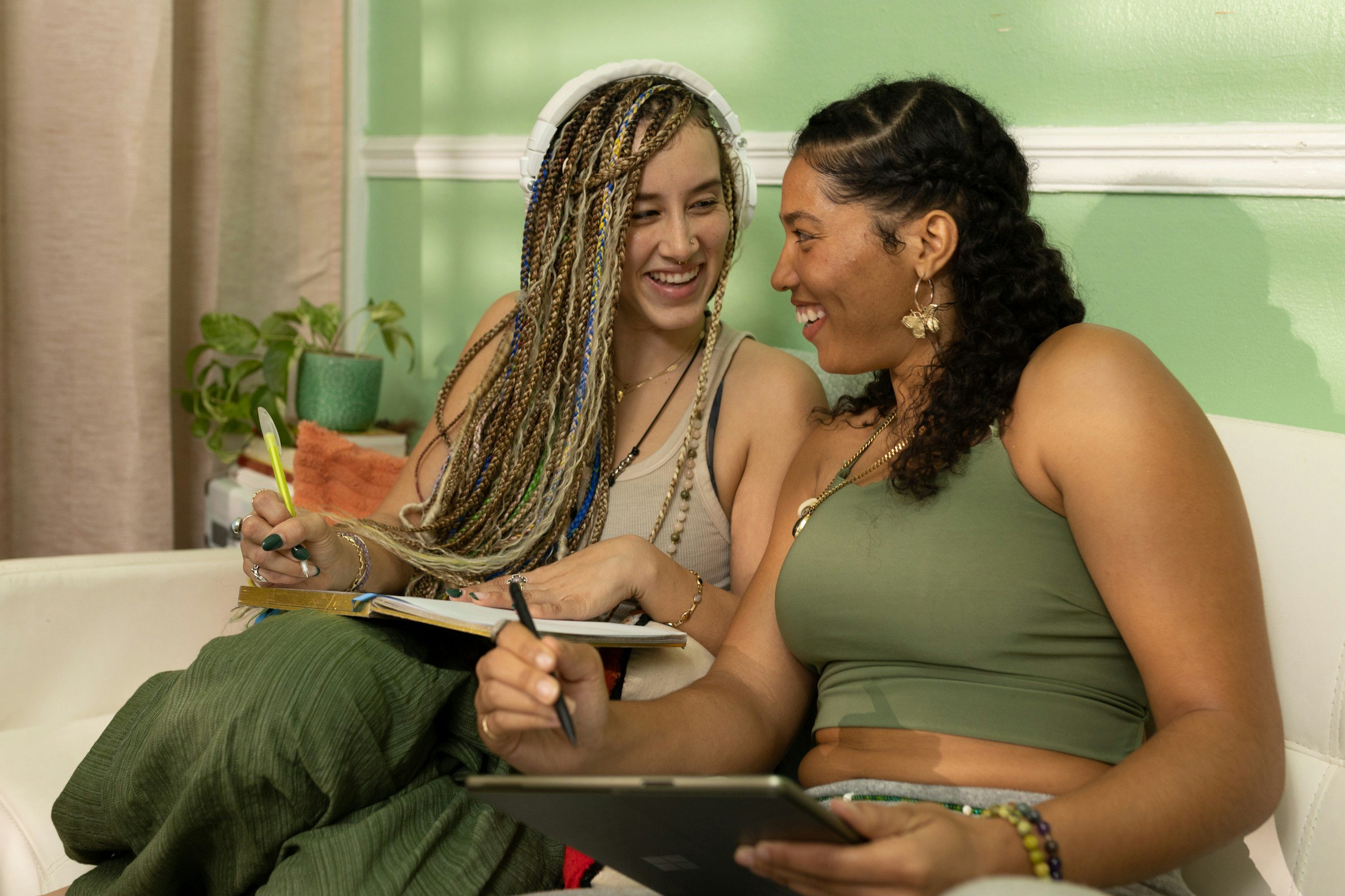
Journaling and community connection can help you process the post-Pride comedown.
The following are self-care tips around how to begin coping after pride month:
Stay Connected to Community
Finding a way to keep community can help them feel re-centered because it allows continued being with their authentic identity and expression in queer-affirming safe spaces that carry on from what pride means to them. This can be joining queer-identified social events that meet monthly, whether that is a sports league, hiking group, or any activity they find enjoyment in.
Community does more than provide connection — it can actually help the nervous system feel safe enough to stop hiding. As I explained in a recent feature with Her Campus, "When adults receive messages that safety can come from moments of a supportive community, it allows their bodies to relax, equate safety with their identity, and decrease the need to hide parts of themselves they once needed to protect."
Give Yourself Space to Process
Journaling around post-celebration blues in what it means to them to say goodbye to another year of pride celebrations and identifying what you want to carry into the rest of the year. This can be helpful to understand the values that are important to you. Many queer adults struggle with slowing down their bodies to pay attention to what feels important, especially for QTBIPOC. This allows you to begin practicing giving yourself time to process, even if it just begins with 5 minutes a day.
The reflection prompts within this blog post can be incorporated in helping you begin to process.
Let Rest Be Part of Your Recovery
The emotional exhaustion can also be felt after Pride due to an urgency to attend an increase of social events, and many may be looking to find ways to rest, especially those whose energy can feel more depleted around them. Self-care can also be seen as self-talk in giving yourself compassion if you are needing to take a break from socializing in big groups. I have seen in my work with clients around Pride or major social events that it can be hard to give themselves grace to slow down, and a helpful reminder is that it is okay that your body wants that.
Reflection question: “Which tip can you begin to use, and what would be a small step to get started?”
When to Talk to an LGBTQIA2S+ Affirming Therapist in Torrance
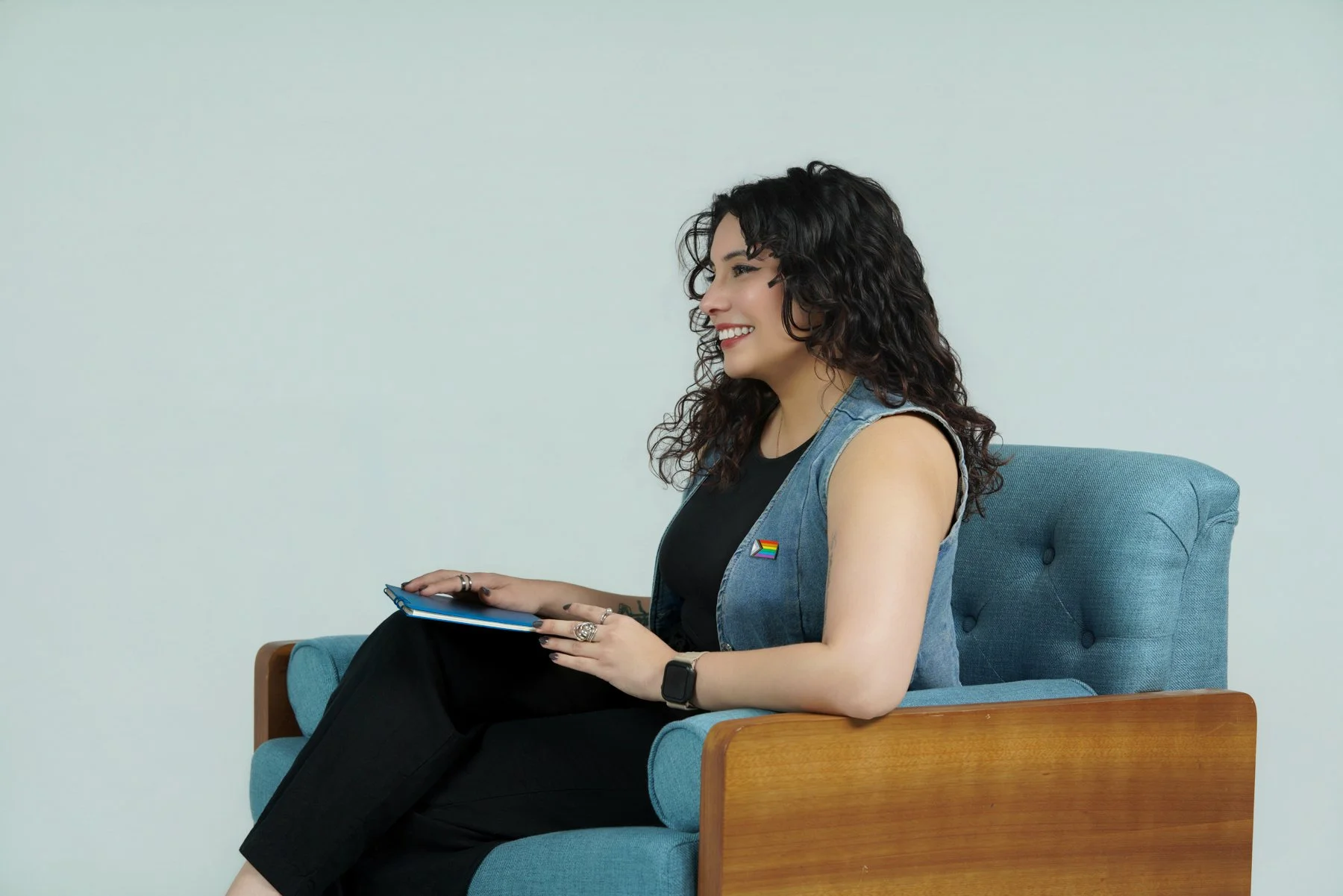
Ligia Orellana, LMFT — anxiety and LGBTQIA2S+ affirming therapist in Torrance, CA
If Pride felt like one of the few places where you could fully exhale, therapy can become another place where you don't have to shrink yourself the rest of the year. A meaningful part of learning how to cope with circumstances that feel out of control is recognizing that there is a way through that does not have to leave you feeling stuck or in survival mode day by day.
As an LGBTQ affirmative therapist in Los Angeles, CA, I work with adults, especially first-generation, BIPOC, and Queer individuals, who often appear to be managing everything on the outside while carrying quiet pressure internally. Together, we move at a pace that allows you to reconnect with your own voice and build confidence in the choices you make moving forward.
If you are curious about how therapy for LGBTQ adults can support you, I am now offering in-person sessions for therapy in Torrance, CA. For those outside of Torrance, online therapy is available throughout California.
You do not have to figure it all out alone. Support can look different than what you’ve experienced before.
You can schedule a free consultation to see if working together feels like the right fit. Finding the right therapist can feel overwhelming, and if we are not the right fit, we can explore options to help you connect with someone who is.
Call (323) 493-6644 or book a consultation here.

Ligia Orellana, LMFT (#122659)
I’m an anxiety therapist in Los Angeles, California, certified in LGBTQ+ Affirmative Therapy and Somatic Attachment Therapy. I support first-generation BIPOC and Queer adults who feel the pressure to hold it all together in moving through self-doubt, anxiety, and relationship stress. My work creates space for deeper connection and self-trust through emotional safety and cultural understanding.
Learn more about my work in Torrance or through online therapy, explore specialties like relationship stress and people-pleasing and self-doubt, or visit my About page.
