
What I Learned Talking to a Queer Chicana Depth Therapist About Surviving by Being Exceptional
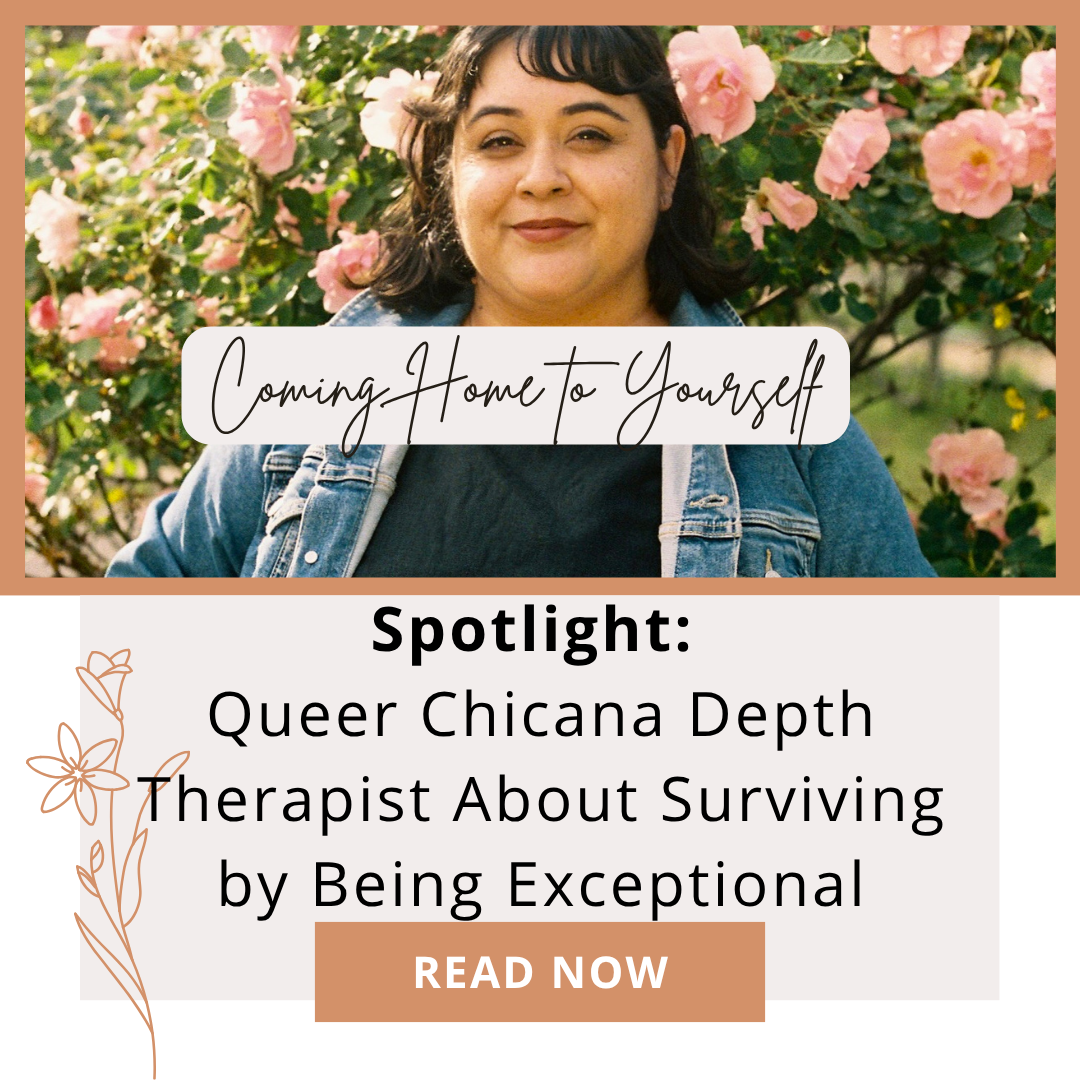
Meet Cyn Magaña, a queer Chicana therapist specializing in first-gen and QTBIPOC mental health
As a therapist in Torrance, CA working with first-generation, BIPOC, and Queer adults, I often hear a common thread: the sense of always needing to rely on yourself, and only yourself. It's something that can feel so culturally ingrained that it's hard to even recognize in ourselves. In conversations with other therapists who work with QTBIPOC clients, this comes up again and again — the struggles we see in our clients reflect just how deeply cultural and societal messages shape our mental health, often more than we initially realize. And because this impact is so widespread across our community, therapists have developed many different approaches to help clients work through it.
That's led me to connect with other like-minded practitioners in this field — people who serve this same community and share a common thread in both what we've lived through and why we've each come to specialize in the work we do.
Which brings me to this blog's spotlight. For those who aren't familiar with her work, Cyn Magaña is a queer Chicana therapist who works with global majority and queer/trans folx — first-gen, bicultural, children of dysfunctional families, high achievers, and creatives. In this piece, you'll get to know a bit about who she loves working with, how she approaches healing with clients, and how she incorporates ancestral and spiritual healing into her work.
Key Takeaways
Struggling isn't brokenness — it's carrying too much alone for too long
Affirmation means naming the weight of an experience precisely enough that someone finally feels seen
Grounding happens through co-regulation and being witnessed, not just coping skills
Healing means mourning the version of you who had to survive alone
Why Being Exceptional Is a Survival Pattern, Not a Personality
I asked Cyn how her own background shapes the way she works with clients. Here's what she shared:
"My approach to therapy and healing begins with relationship. I really attune to relational dynamic. How we meet each other, how we slow down in tender times and what unfolds when someone finally feels seen. As a queer Chicana therapist, my work is deeply informed by the stories I grew up inside of: the pressure to over-perform to make my family 'proud', the unspoken family rules + secrets, the quiet grief associated with childhood and adolescence, the loyalty, and the legacy burdens that so many of us carried without choosing them. Also no longer suppressing my queer identity once I moved away from home.
"Healing is not an aesthetic. It's messy, honest, nonlinear, and deeply human." — Cyn Magaña
I feel especially called to support people of the global majority + queer, trans folxs —first-gen, queer, bicultural, children of dysfunctional families, high achievers & creatives. In our work, we slow down enough to unblend from those inherited narratives and make space for who you actually are underneath the survival patterns. It's a gift to celebrate moments of success and recognition when our family members may not know how to celebrate.
Culturally rooted and affirming care, to me, means you don't have to translate your story to be understood. It means your rituals, your guilt, your boundaries they're not treated as symptoms, but as wisdom informed by our cultural and family background. It means honoring the ways culture, migration, language, spirituality, and family shape your healing, and allowing storytelling to be a sacred tool for integration + transformation."
What Grounding Actually Looks Like in the Room
It is important for clients to feel safe and grounded in the room with a therapist, but why? Here's how Cyn described it:
"When I work with clients who experience hyperfixation, anxiety, perfectionism, performance pressure, or the exhaustion that comes with being a care professional, my first priority is to help them feel safe enough to soften even if it's just 10%. People often come in asking, 'How do I stop thinking this way?' or 'How do I get rid of this part of me?' And I get it. The fantasy of a magic pill is real. But so is the truth: most of us aren't struggling because we're broken… we're struggling because we've been carrying too much alone for too long.
My approach is relational first. Before any grounding exercise or somatic cue, I'm attuning to the gravity of what they're actually holding. Affirmation, for me, isn't a pat on the back. It's naming the weight of the experience so precisely that the client feels seen in a way they might not have experienced. That moment of 'you get it' is often the first place their nervous system finally exhales through tears or beginning to notice what is happening in their body.
From there, I help them unblend from the anxiety, perfectionism, shame, guilt—not by pushing it away, but by building a healthy attachment with me in the room. We metaprocess together: What is it like to be in this together? What shifts inside you when you don't have to carry this alone?
That's where grounding happens—through co-regulation, through witnessing, through being held in a way that repairs what was ruptured. In the work I do, I create a guided experienced to 'do over' from the frameworks of IFS and AEDP they are respectively called 'The Healing Steps' and 'Portrayls' where we get to have a corrective experience."
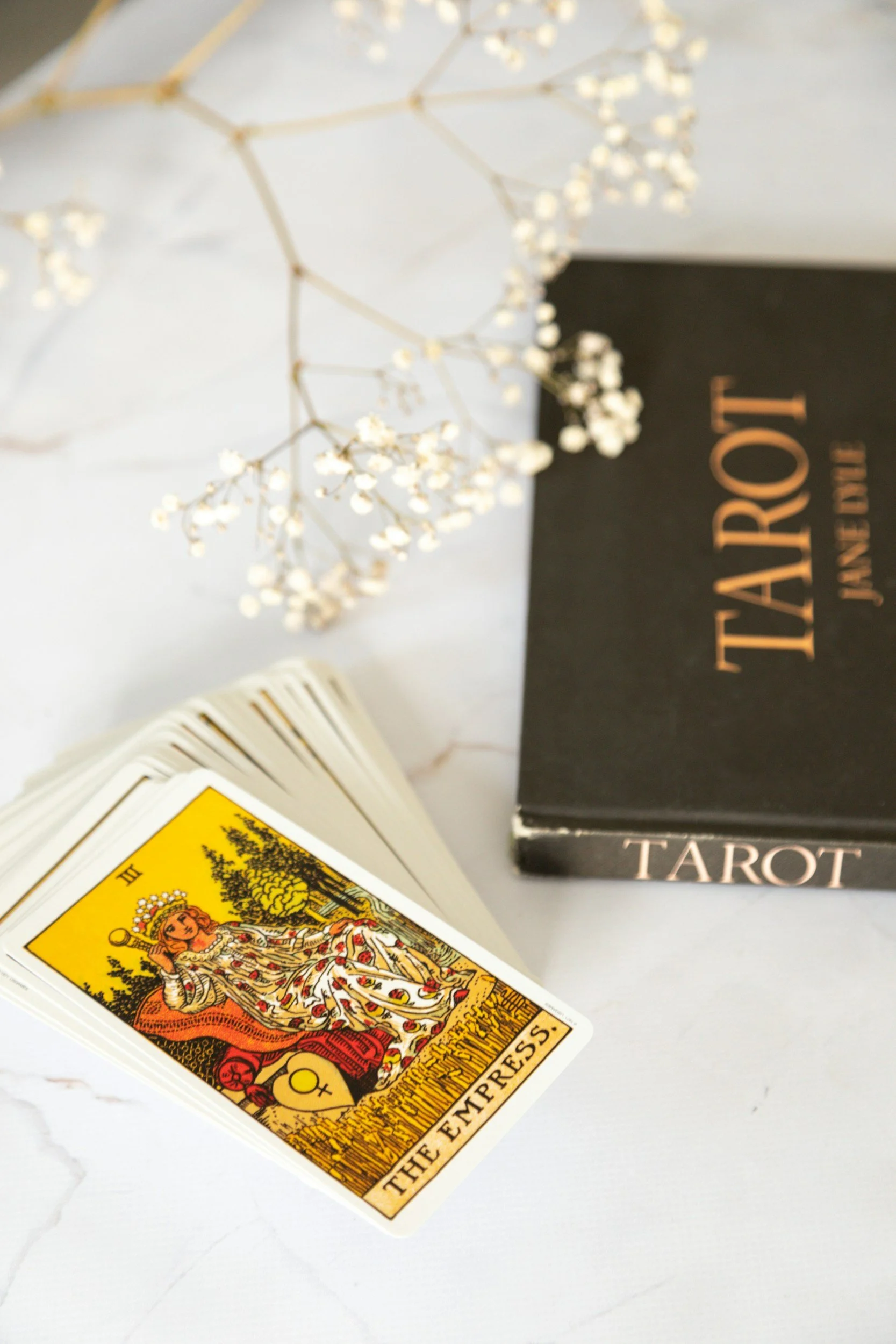
For Cyn, healing is relational, somatic, and ancestral — shaped by the women who raised her.
Healing Isn't an Aesthetic
A last question I had for Cyn was around how their own roots, values, or lived experiences influence the way she shows up for her clients. Her answer was this:
"My personal lens is shaped by my grandmothers who raised me. Both of my grandmothers were spiritual in their own distinct ways. My paternal grandmother tended to plantitas and land with devotion + prayer. My maternal grandmother is rooted in tarot, botanicas, and psychics. Their practices were everyday acts of connection. That lineage lives in the way I show up for my clients today. Because of them, I understand healing as both as relational, somatic and ancestral.
When clients share that they tried a ritual, honored their intuition, or reconnected with a cultural practice, it feels like the biggest win, like they're remembering a part of themselves the world asked them to forget.
And coming from the nonprofit world where burnout, politics, and survival-mode were normalized my own healing has taught me this truth I return to again and again:
“Healing is not an aesthetic. It's messy, honest, nonlinear, and deeply human. Give yourself permission to be messy. Permission to feel. Permission to not have it all figured out.”
Want to learn more about Cyn?
Instagram: @thechicanatherapist
Website: www.cynmagana.com
Substack: Aura Theory
Why This Conversation Matters
As a first-generation Guatemalan-American therapist who works with adults struggling to find themselves under the weight of the roles and responsibilities they carry, I recognized so much of what Cyn shared. We connected over how growing up in this society creates disconnection from who we really are — and how much healing many people in our communities are still waiting to give themselves permission for. It's also true that how each of us grew up shapes not just the therapists we become, but who we're drawn to work with.
For many First-Gen, BIPOC, and Queer adults, carrying everything alone has felt like the only option for so long that even acknowledging the need for support can feel uncomfortable, even scary. That's not weakness. It's the result of years spent learning to manage on your own. You don't have to keep doing it that way. And what can make therapy feel less daunting is finding a therapist you actually click with — it doesn't have to be about credentials alone. You're allowed to be as selective as you need to be, because this is an investment of time you're making for yourself.
You don't need to have it all figured out to start therapy. Sometimes it begins with a simple curiosity to understand yourself more deeply.
If this resonates, I offer sessions for therapy in Torrance, CA and online throughout California, working with First-Gen, BIPOC, and Queer adults navigating exactly this. You can schedule a free consultation — reaching out for the first time can feel scary, and a free 15-minute call is often a low-pressure way to see if it's the right fit.
Call (323) 493-6644 or Book a consultation.
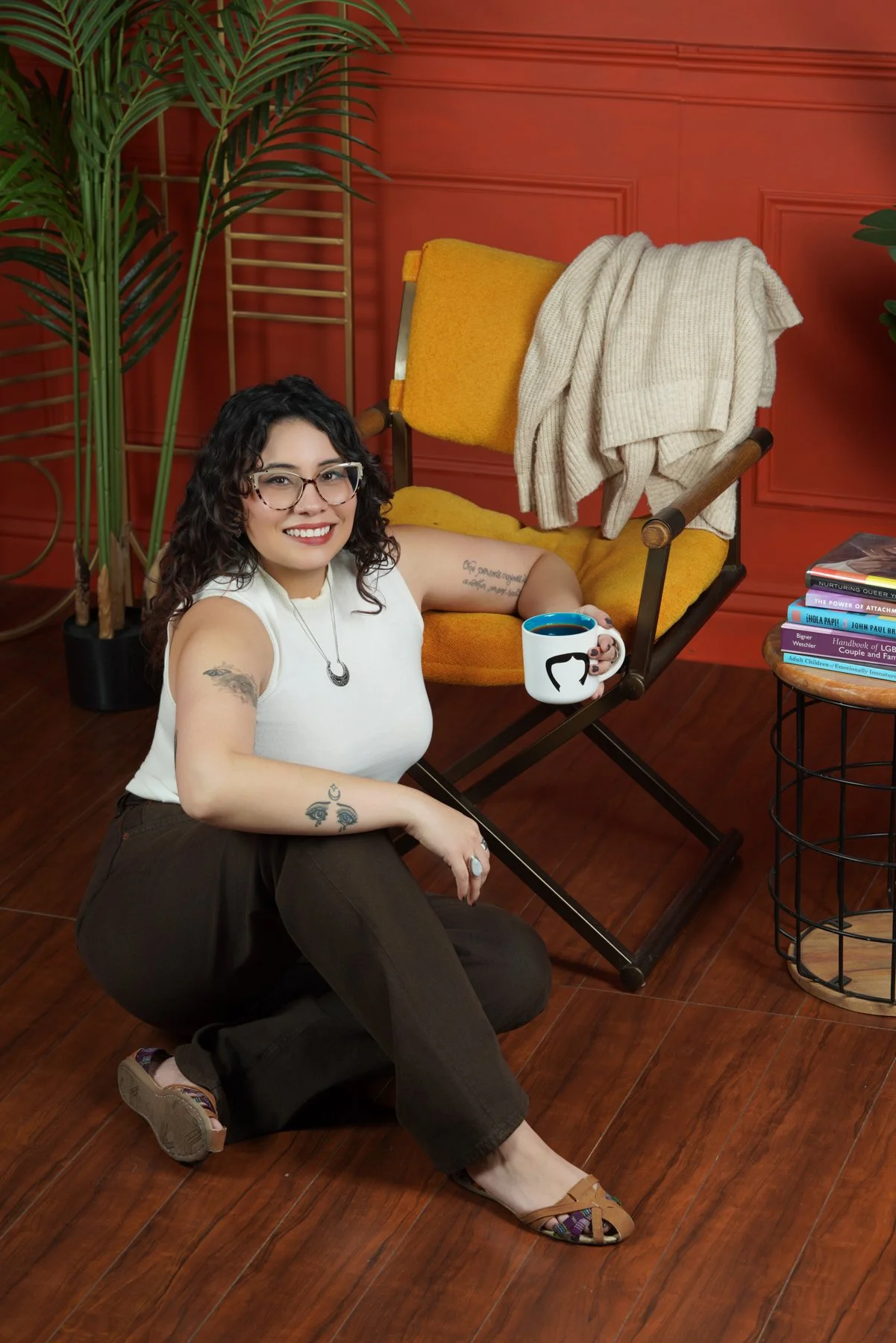
Ligia Orellana, LMFT (#122659)
I’m an anxiety therapist in Los Angeles, California, certified in LGBTQ+ Affirmative Therapy and Somatic Attachment Therapy. I support first-generation BIPOC and Queer adults who feel the pressure to hold it all together in moving through self-doubt, anxiety, and relationship stress. My work creates space for deeper connection and self-trust through emotional safety and cultural understanding.
Learn more about my work in Torrance or through online therapy, explore specialties like relationship stress and people-pleasing and self-doubt, or visit my About page.