
Finding Yourself Again After Losing Yourself in a Relationship
Why the End of Summer Brings Up Questions of Who You Are
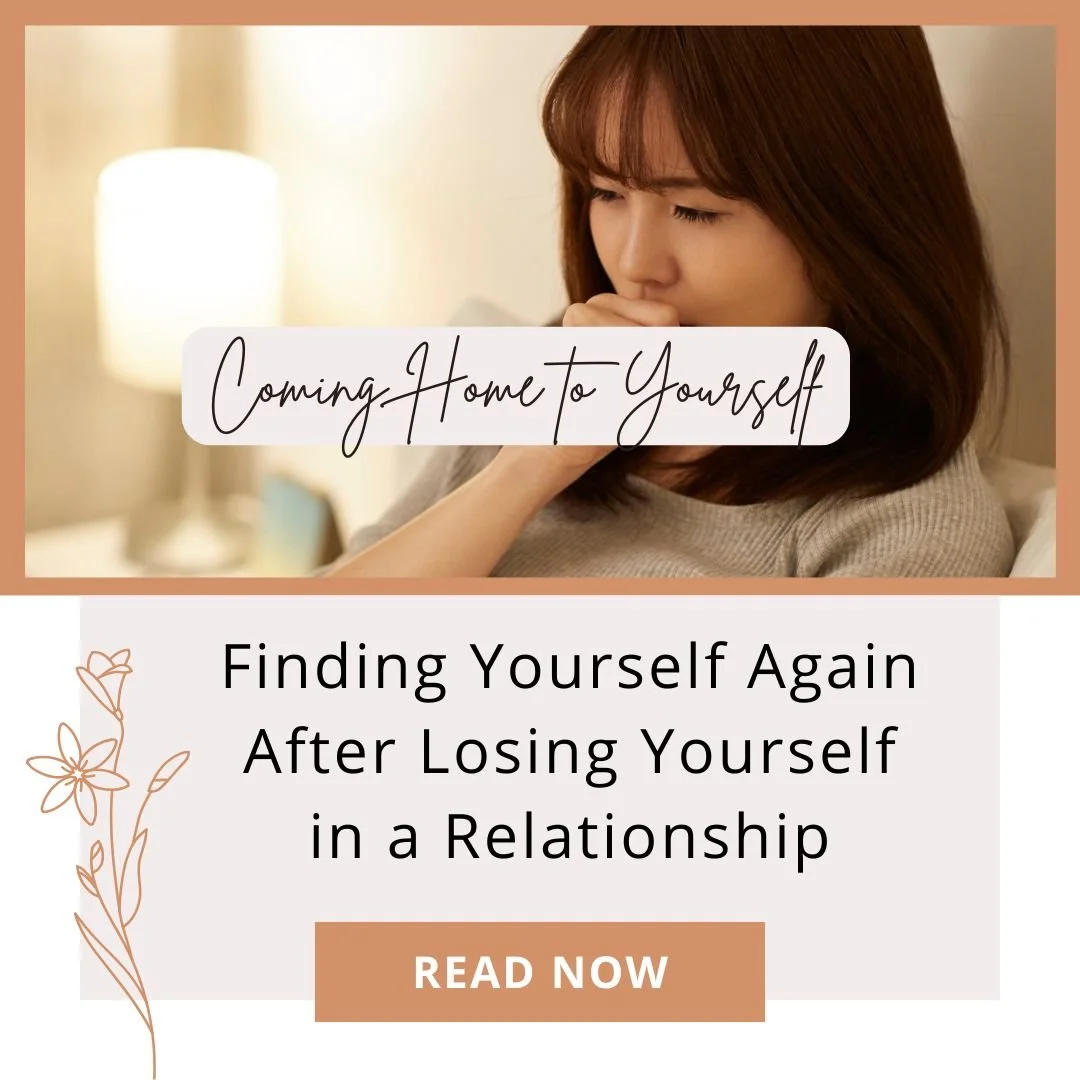
Losing yourself in a relationship happens gradually, and finding your way back can as well.
As we say goodbye to summer and welcome in fall, it's easy to fall back into old routines, school, work, daily life. It's almost as if your body starts preparing, with either dread or excitement, for the months ahead. And maybe there's also a nagging feeling lingering from summer, something that's felt off but hasn't quite been addressed. In that moment, there are usually two choices: give it some attention and try to figure out what it is, or brush it off as normal, because there's no time to sit with it. It's easier to choose the second option, especially if you've spent a long time pushing through emotions because they feel inconvenient, confusing, or tied to some kind of fear.
As a therapist in Torrance, CA, I work with many adults who try to rationalize their way through feelings as a way of coping, largely because of the many responsibilities and roles they carry. It's hard to pay attention to yourself when life is pulling you in different directions, and even harder to know how to cope with feelings you were never taught how to name, rather than just push to the back of your mind. Over time, that can lead to feeling like you've lost yourself.
So if any of this resonates, and that nagging feeling from summer hasn't gone away as September approaches, this post is for you. Relationships in our life can slowly take over our sense of self, who we are, and it can be hard to notice unless you know what signs to look for. This is especially true in romantic relationships, where a partner can create a sense of comfort so strong that losing yourself in it happens easily, and finding your way back can feel like a long road.
Key Takeaways
Losing yourself in a relationship often happens gradually, through over-functioning, caretaking, or fear of abandonment learned long before the relationship began
Common signs include shifting opinions to match your partner's, difficulty identifying your own preferences, and feeling responsible for your partner's emotions
This pattern is often rooted in anxious attachment and a fear of not being accepted as your full self
Reclaiming your sense of self doesn't mean creating distance from your partner — it can actually deepen the relationship
What It Means to Lose Yourself in a Relationship
Clients who come to therapy with me often notice patterns in their relationships, an over-reliance on their partner, and wonder if that's normal. Many ask if it's codependency. The honest answer: it depends, case by case. In the therapy room, what I see as codependency goes beyond feeling emotionally safe with a partner. It's when someone holds real distress around doing everyday tasks or making decisions on their own. This unexplained anxiety often shows up in an effort to maintain connection, but at the cost of self-trust and self-reliance.
For many First-Gen, BIPOC, and Queer adults, this pattern often traces back to earlier roles from childhood, where over-functioning and caretaking became the primary way of connecting with others. Acts of service can be a genuine form of love, but what we're talking about here is the distress that comes when caring for others goes beyond caring for yourself, until it feels like an imbalance. This early role can also lead to attachment-based fears of abandonment, learned long before someone's first romantic relationship. In relationships, it often shows up as overfunctioning, doing more for a partner out of fear of being left. If you're noticing this pattern show up for you, I've written more in depth about relationship anxiety in Los Angeles and how it shows up in dating and partnerships
Common Signs You've Lost Yourself in a Relationship
Paying attention to certain signs can be helpful, whether losing yourself in a relationship is something you fear, or something you're trying to evaluate from a past relationship. Noticing your own individual signs doesn't just build understanding; it also helps you look at why these patterns show up in the first place. What are your behaviors really protecting you from? Here are a few questions to help guide that reflection. (Disclaimer: this isn't an exhaustive list, and it can look different for everyone.)

Feeling distant even while connected can be a quiet sign of losing your own sense of self.
Have your opinions and interests started shifting away from what once felt true or joyful to you, in order to match your partner's? This goes beyond simply sharing interests; it can look more like your partner's opinions slowly overtaking your own.
Is it difficult to identify your own preferences, engage in your own hobbies, or hold a different point of view outside the relationship?
Do you notice hesitation in expressing your true feelings to your partner, a fear that being authentic might push them away?
Have you felt responsible for your partner's emotional state, carrying unexplained guilt when they're sad, irritated, frustrated, or even happy?
Do you notice a creeping sense of resentment or disconnection from your own voice, a sense that you don't know yourself separate from your partner anymore?
Where This Pattern Often Comes From — Relationship Anxiety Los Angeles
As a Somatic Attachment Therapist, I often see how attachment patterns from early childhood show up again in our romantic relationships, how our worries manifest, and how behaviors tied to anxious attachment styles can lead to clinging more tightly to a partner out of fear of not being loved back. That clinging is often labeled codependency, but there's more nuance to it when you look through the lens of attachment styles. If you'd like to explore more on how attachment factors into BIPOC relationships specifically, I go deeper into that here.
Sometimes we shape ourselves around our relationships as a place of safety and security, without even realizing it's happening. As mentioned above, anxious attachment often carries an underlying fear of losing a partner, especially when that partner has become a symbol of stability in our lives. In many ways, this mirrors how anxiety shows up elsewhere in life to protect us from getting hurt; it functions the same way within romantic relationships.
Underneath it all is often a belief that if we're truly seen as ourselves, we might not be accepted. Maybe you grew up with cultural, societal, or familial messages telling you that you were too much, or not enough. Many of us learn to survive by conforming to what we're told is "right," not rocking the boat, in exchange for acceptance and love. That pattern can carry into our relationships, where we dim parts of ourselves to avoid abandonment or rejection. Some of the adults I've worked with cope with these fears by overfunctioning or people-pleasing. Over time, this can mean losing the very parts of yourself that make you unique, which can create resentment, both toward your partner and toward yourself, simply from a lack of understanding of what's really happening underneath.
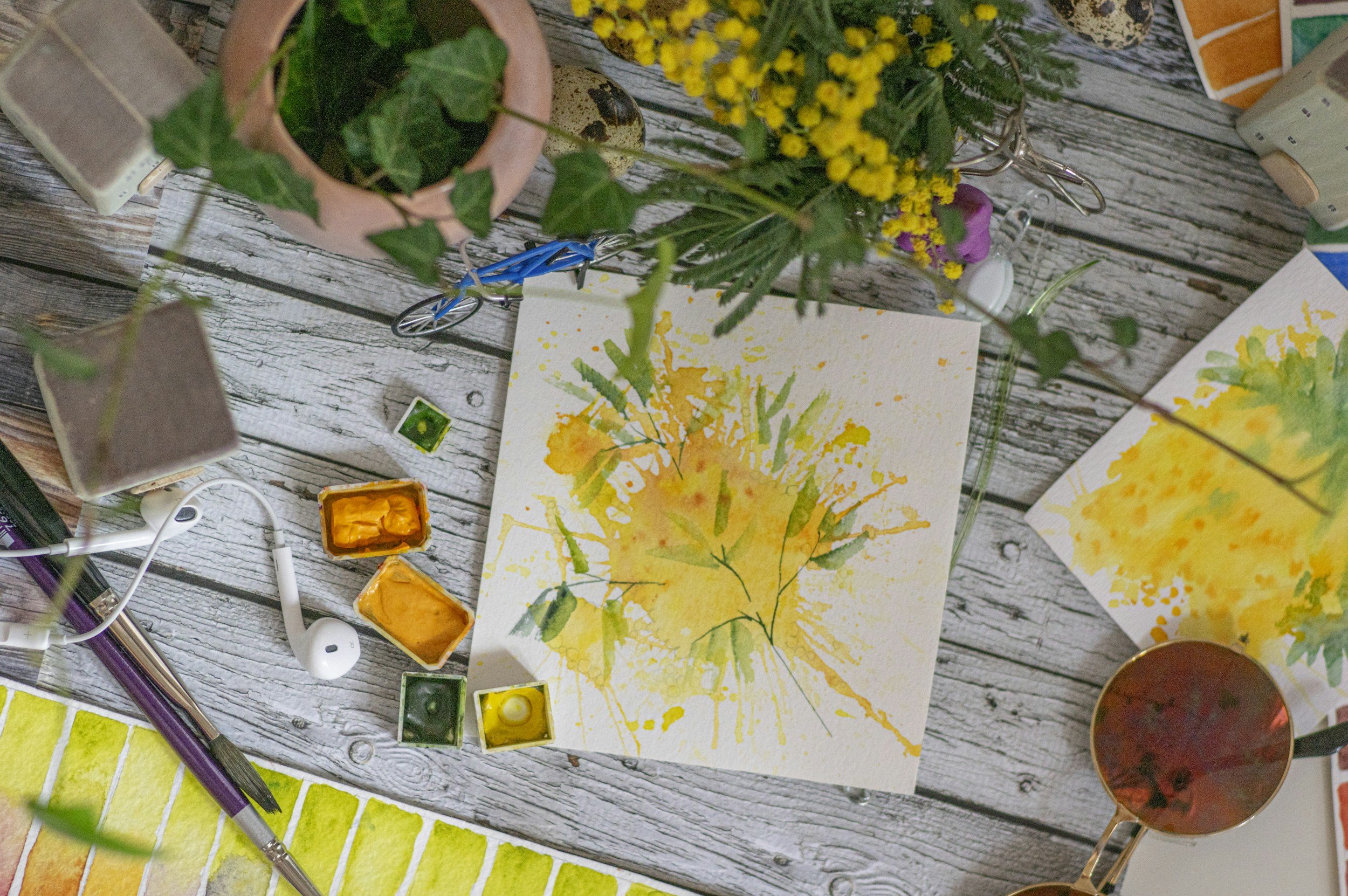
Reclaiming yourself often starts small, it can look like returning to something that once felt like just yours.
How to Begin Reclaiming Your Sense of Self
If any of this is resonating, know that there's a way back to reclaiming your sense of self. The confusion and resentment you're feeling now doesn't have to stay. Simply allowing yourself to notice that you've felt lost in your role as a partner is a meaningful starting point, a sign that you may want something different. Is there something you used to enjoy before this relationship that you'd like to bring back into your life? Or something you've genuinely wanted to try on your own, but kept making excuses to avoid? What would you need, for yourself, to take that first step?
This shift toward reclaiming yourself doesn't mean creating distance from your partner. It can actually become a point of connection, simply by talking with them about why exploring your own interests matters to you. It is a change for the relationship, but it also gives your partner a chance to show up for you emotionally in a way that offers real support, while also easing the anxious part of you that fears abandonment or rejection. I've found this process can even create new opportunities for both partners to support each other in ways they may not have known how to, earlier on.
Working With a Therapist in Torrance, CA on Codependency and Identity
In my work as a therapist supporting anxiety, I meet many First-Gen, BIPOC, and Queer adults who come to therapy feeling lost in their romantic relationships, trying to find themselves again. They often carry questions about what's "normal," and what it means for their relationship. Sometimes, what they're really looking for is reassurance, that the nagging feeling they've been carrying doesn't necessarily mean something is wrong. And the relief that comes from understanding that losing yourself in a relationship often stems from a deeper fear of being too much or not enough can feel like a tremendous weight lifted.
This is especially true for First-Gen, BIPOC, and LGBTQIA+ adults who grew up believing relationships had to look a certain way, shaped by family experience or societal messaging. Relationships aren't perfect, and they take effort, partly because of the unlearning required around what love actually is, separate from the messages we absorbed in childhood or through media. Real growth happens over time, between partners willing to let each other flourish individually and still come back together, creating another layer of emotional safety. Change can be scary, but doing it alongside a partner can deepen intimacy and understanding in ways that wouldn't be possible otherwise.
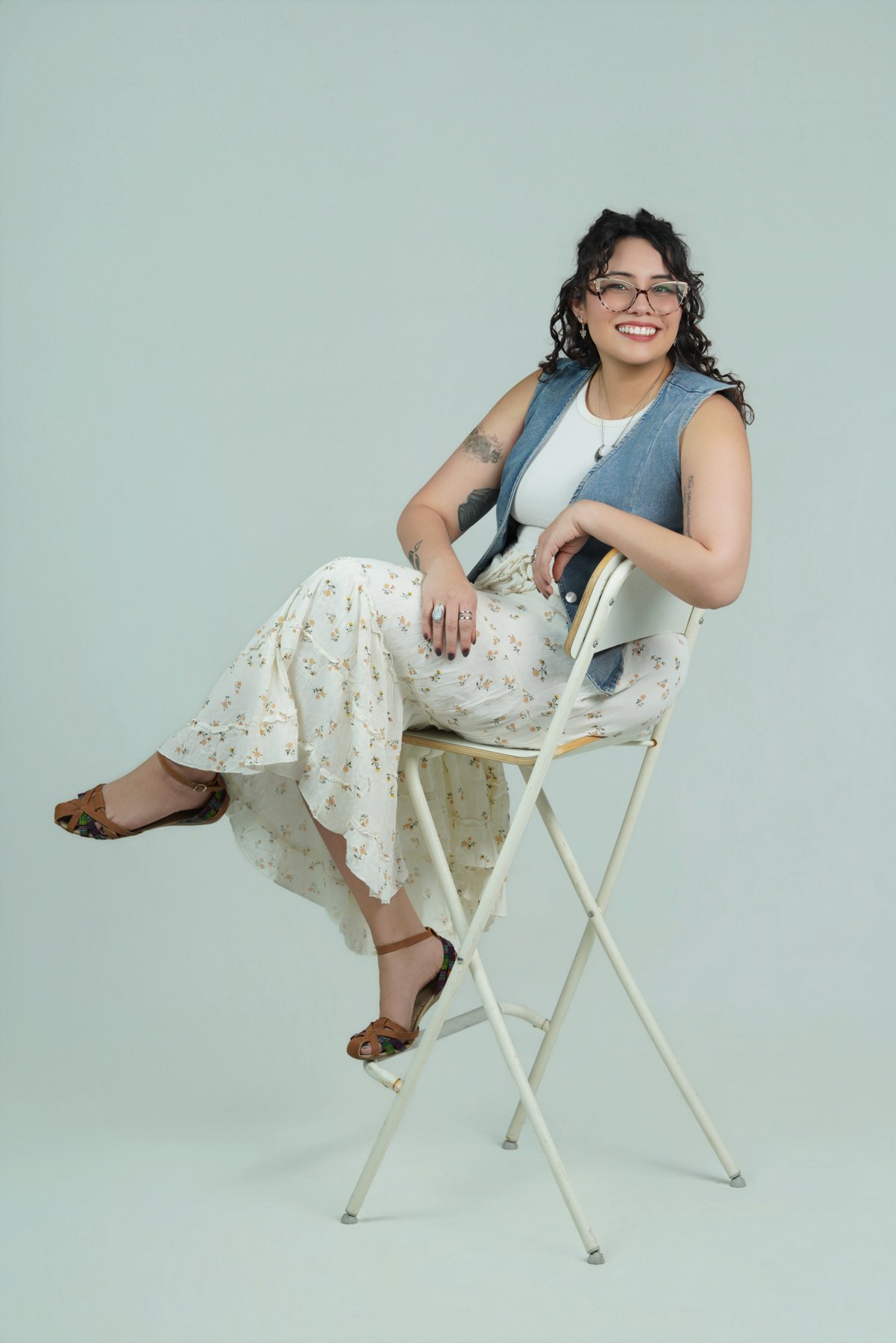
Ligia Orellana, LMFT — supporting First-Gen, BIPOC, and Queer adults through codependency and identity work in Torrance and Los Angeles.
As a therapist in Torrance, CA, I often work with adults navigating uncertain or out-of-control moments, including the anxiety that can show up while dating or within a relationship. Many cope the only way they know how: by trying not to pay attention to it, hoping the tension or ache will simply fade. But it rarely does, not entirely.
If you're ready to explore this pattern with support, I've put together a guide on how to find a therapist in Torrance, CA who actually gets it to help you know what to look for.
Looking for Support?
If you find yourself questioning relationship patterns, struggling with anxiety in dating, or simply wanting to understand what healthy relationships can look like, therapy offers a space to slow down and explore what matters most to you. Together, we move at a pace that allows you to reconnect with your own voice and build confidence in the choices you make going forward.
If you are curious about how therapy can support you, I am now offering in-person sessions for therapy in Torrance, CA. For those outside of Torrance, I offer online therapy in California.
You do not have to figure it all out alone.
If you are curious about starting therapy, you can schedule a free consultation to see if working together feels like the right fit.
FAQ Section
How do I know if I've lost myself in a relationship?
Common signs include your opinions and interests shifting to match your partner's, difficulty naming your own preferences outside the relationship, and feeling responsible for your partner's emotional state.
Is losing yourself in a relationship the same as codependency?
Not always. It depends on the specific pattern. Codependency often involves real distress around making decisions or handling daily life independently, which goes beyond simply feeling close to a partner.
Why do I lose myself in relationships?
This pattern often traces back to earlier roles, like over-functioning or caretaking, and can be connected to anxious attachment and a fear of abandonment learned before the relationship began.
Can I reclaim my sense of self without leaving the relationship?
Yes. Reclaiming yourself doesn't require distance from your partner. It often starts with small steps, like reintroducing an interest you once enjoyed, and can even become a point of connection with your partner.
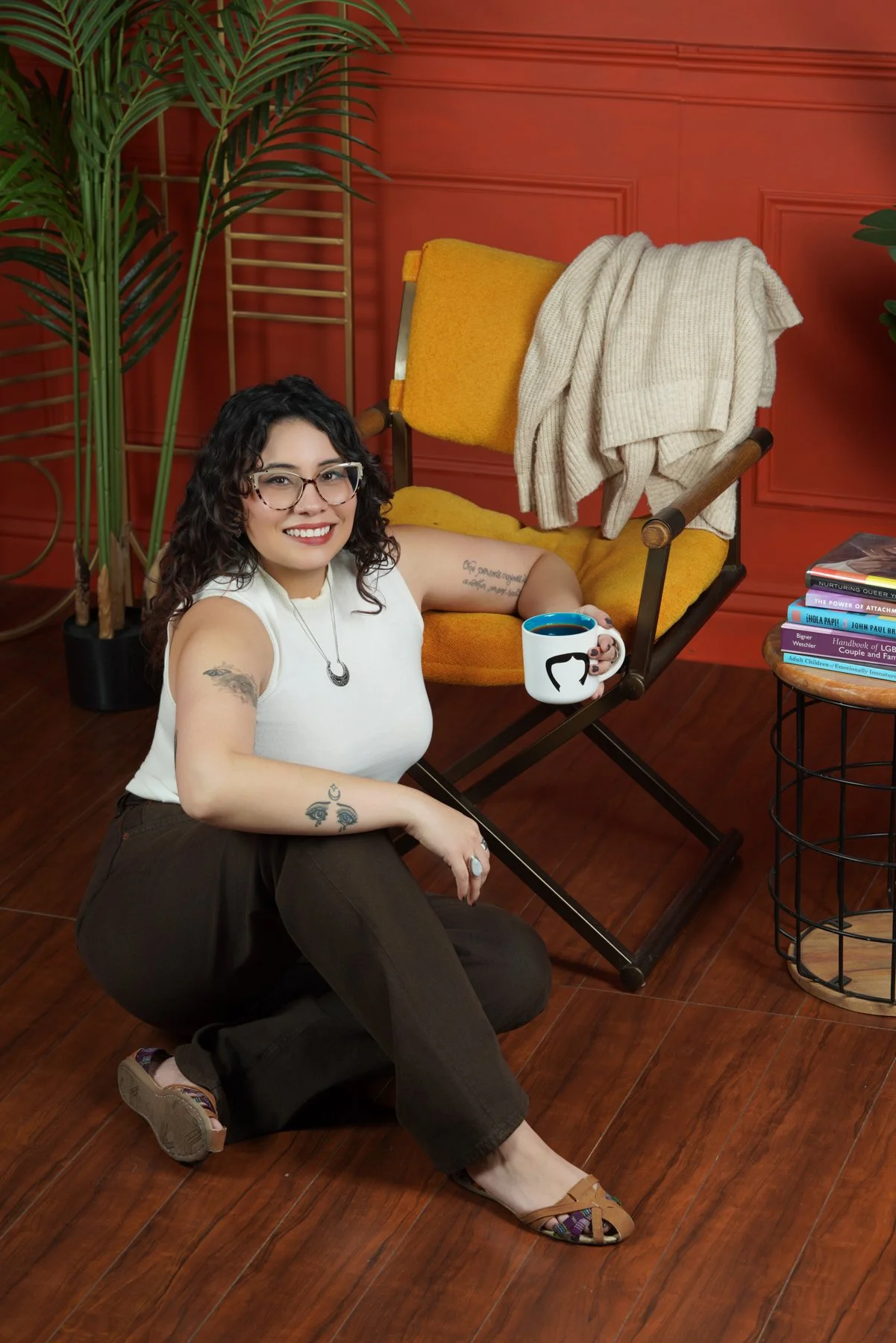
Ligia Orellana, LMFT (#122659)
I’m an anxiety therapist in Los Angeles, California, certified in LGBTQ+ Affirmative Therapy and Somatic Attachment Therapy. I support first-generation BIPOC and Queer adults who feel the pressure to hold it all together in moving through self-doubt, anxiety, and relationship stress. My work creates space for deeper connection and self-trust through emotional safety and cultural understanding.
Learn more about my work in Torrance or through online therapy, explore specialties like relationship stress and people-pleasing and self-doubt, or visit my About page.