
How Anxiety Therapy Los Angeles, CA Helps You Feel more Connected—to Yourself and Others

Relationships do not have to feel difficult or feel lonely. With a therapist who specializes in anxiety around relationships, we work to create connections that bring calm.
When Anxiety Makes Connection Feel Out of Reach
In my work with anxious adults in Los Angeles, CA, a common theme I hear is: I know I have people in my life but there is something missing in my relationships that feels out of reach. A silent longing of deeper relationships but not having the language to express it nor understand it. That disconnection is one of anxiety's quietest symptoms, and it's exactly what we work on together
I can look back in my own life around moments where I didn’t have the language to name how much I longed for emotional closeness. The ways I tried to create connection — people-pleasing, meeting expectations, hitting milestones — felt “right” at the time, but they weren’t true connections. They were survival, and the only tools I had as a teenager that I carried into adulthood. Achievements became a love language I learned early on.
Now, I work with adults who feel stuck holding everything together — people who appear composed on the outside but feel overwhelmed internally.
People who deeply want closeness, but whose anxiety makes connection feel confusing, heavy, or out of reach.
If you’ve been following my recent posts on relationship anxiety and emotional overwhelm, you’ve already explored the foundation of what healing can look like — that it is possible to feel supported, understood, and lighter inside. To feel more confident, grounded, and secure in your relationships.
This post is the bridge into what healing can look like when you’re supported in therapy and not carrying it alone.
Understanding the Roots of Disconnection
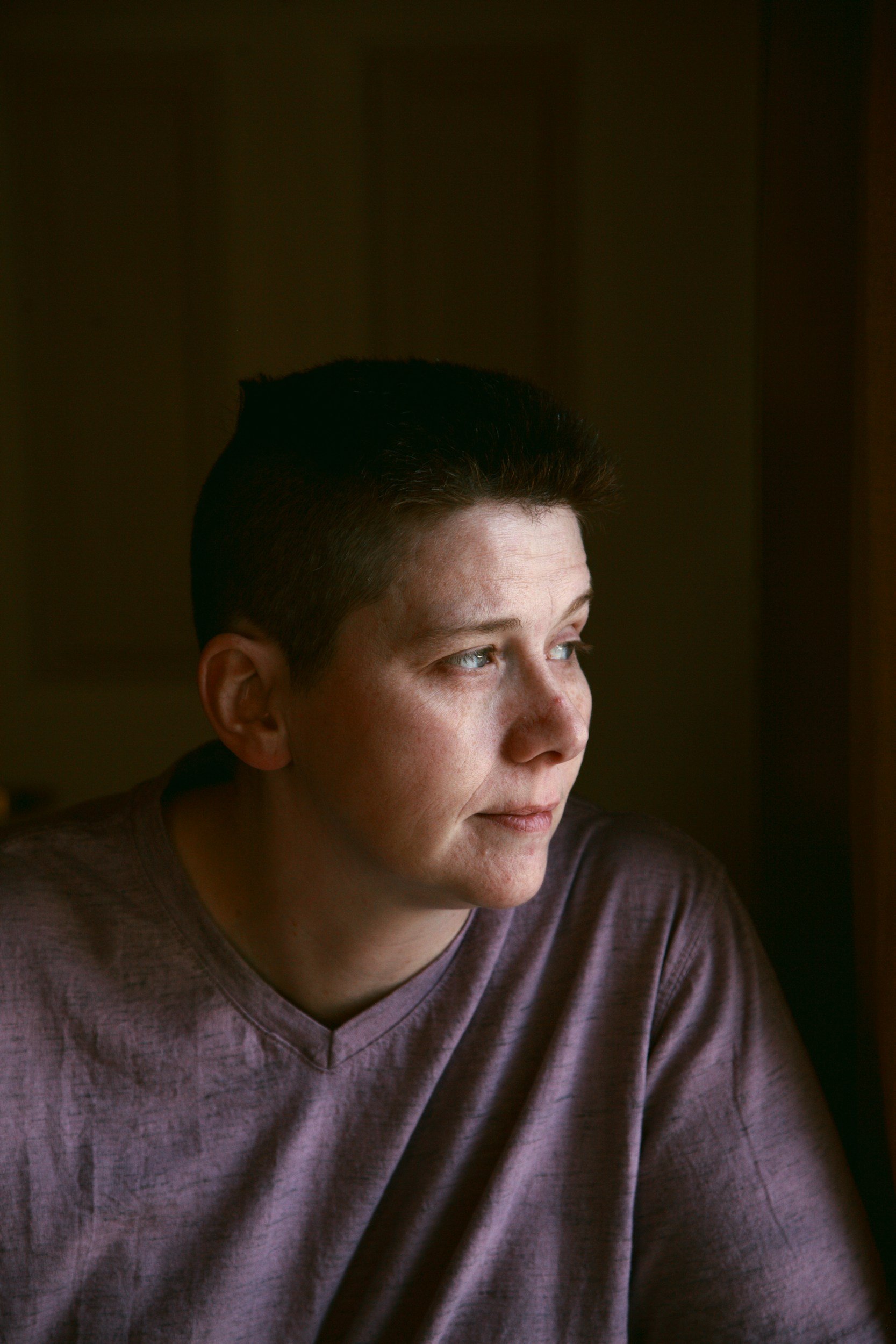
How we are in relationships is molded by our childhood and past social interactions. We are not flawed, we are humans shaped by experiences.
Growing up in a culture centered around survival, achievement, and productivity doesn’t leave much space for emotional expression. Many clients come to me feeling weighed down by anxiety and by cultural, family, and generational expectations.
A lot of us grew up in homes where emotions were pushed aside because there wasn’t room for vulnerability. When you grow up without an emotional language, you learn to push through, be “strong,” and keep going.
Over time, that survival mode becomes heavy — shaping how you feel, how you connect, and how safe it feels to let others in. Pulling you emotionally from moments within relationships that may require talking about your emotions, being vulnerable, or getting to know yourself in deeper levels than maybe your observed growing up.
This can show up in the following ways:
Firstgeneration child feeling responsible for everyone else, and who has always leaned on themselves struggling to ask for help
The helping professional disconnecting from their own needs, that takes on too many responsibilities in their professional and personal life
The First-generation professional who shuts down emotionally with their partner after a high-stress work week
The adult who has always expected to be perfect always bracing for conflict or disappointment
The Business owner who confuses busyness with security
Invitation to take a moment, pause, and reflect :
1)Which patterns show up for you?
2) What does closeness bring up for you—comfort, fear, responsibility, confusion?
What Anxiety Therapy Actually Supports You With
Anxiety therapy gives you a place to slow down, be more attuned to your body, understand yourself from a compassionate lens, and stop feeling so alone in the patterns you’ve been carrying through somatic attachment work. It’s a space where you can reconnect with yourself and experience relationships with more ease instead of fear.

If you have been wanting to experience more ease in dating, relationships, and within social interactions. Therapy that specializes in anxiety allows for that space and healing to happen in Los Angeles, CA.
• Seeing Your Patterns With More Compassion
So many of the things you do — overthinking, shutting down, trying to handle everything on your own — were ways you learned to protect yourself. Therapy helps you look at these patterns without shame and understand why they show up.
• Feeling What Safety Actually Feels Like
If you grew up having to stay strong or keep your feelings quiet, it makes sense that letting someone in feels unfamiliar. Therapy gives you steady, gentle space to notice when your body is bracing and when it can soften — even just a little.
• Learning to Use Your Voice Without Apologizing for It
Anxiety often tells you to stay quiet or not be a burden. In therapy, you get to practice saying what you feel and what you need — and experience that nothing bad happens when you do.
• Experiencing Support Instead of Having to Hold It All Together
You don’t have to perform or be “the strong one” here. Therapy becomes a place where you can be messy, unsure, overwhelmed — and still met with warmth and understanding. That kind of consistency slowly teaches your system a new way of relating.
• Letting Old Stories Fall Away
Many people come in carrying messages like “I should be able to handle this,” “I’m too much,” or “I don’t deserve support.” Therapy helps you loosen the grip of those old stories so you can make room for something truer — that you’re allowed to have needs, take up space, and feel supported.
Why Working With an Anxiety Therapist in Los Angeles CA Matters
Living in Los Angeles comes with its own layers — the pressure, the expectations, the cultural dynamics, the quiet loneliness that can sit beneath a busy life. You can be surrounded by people and still feel deeply alone with your thoughts.
As an anxiety therapist in Los Angeles, CA, I support first-generation, BIPOC, and Queer adults who carry these layered pressures — people who want lasting relief from anxiety, emotional overwhelm, and self-doubt.
My approach is grounded in cultural awareness, inclusivity, and identity-informed care. I believe therapy feels different when your background, values, and lived experiences are seen and honored. When that happens, deeper healing becomes possible — stronger boundaries, more authentic relationships, and a deeper trust in yourself.
My work integrates:
LGBTQIA+ affirming care
somatic and attachment-informed therapy
culturally rooted healing frameworks
nervous system regulation
emotional self-understanding and self-soothing
I want therapy with me to feel collaborative, compassionate, and client-centered. A place where you never have to hide the parts of yourself that helped you survive.
Feeling More Connected—to Yourself
The inner work of connection often appears in small, quiet shifts. They’re subtle — so subtle that clients don’t always notice until we pause and reflect together.
Life moves quickly, especially for first-gen communities, and slowing down becomes its own act of healing. Over time, clients describe feeling lighter, kinder to themselves, and more aware of what’s happening inside.
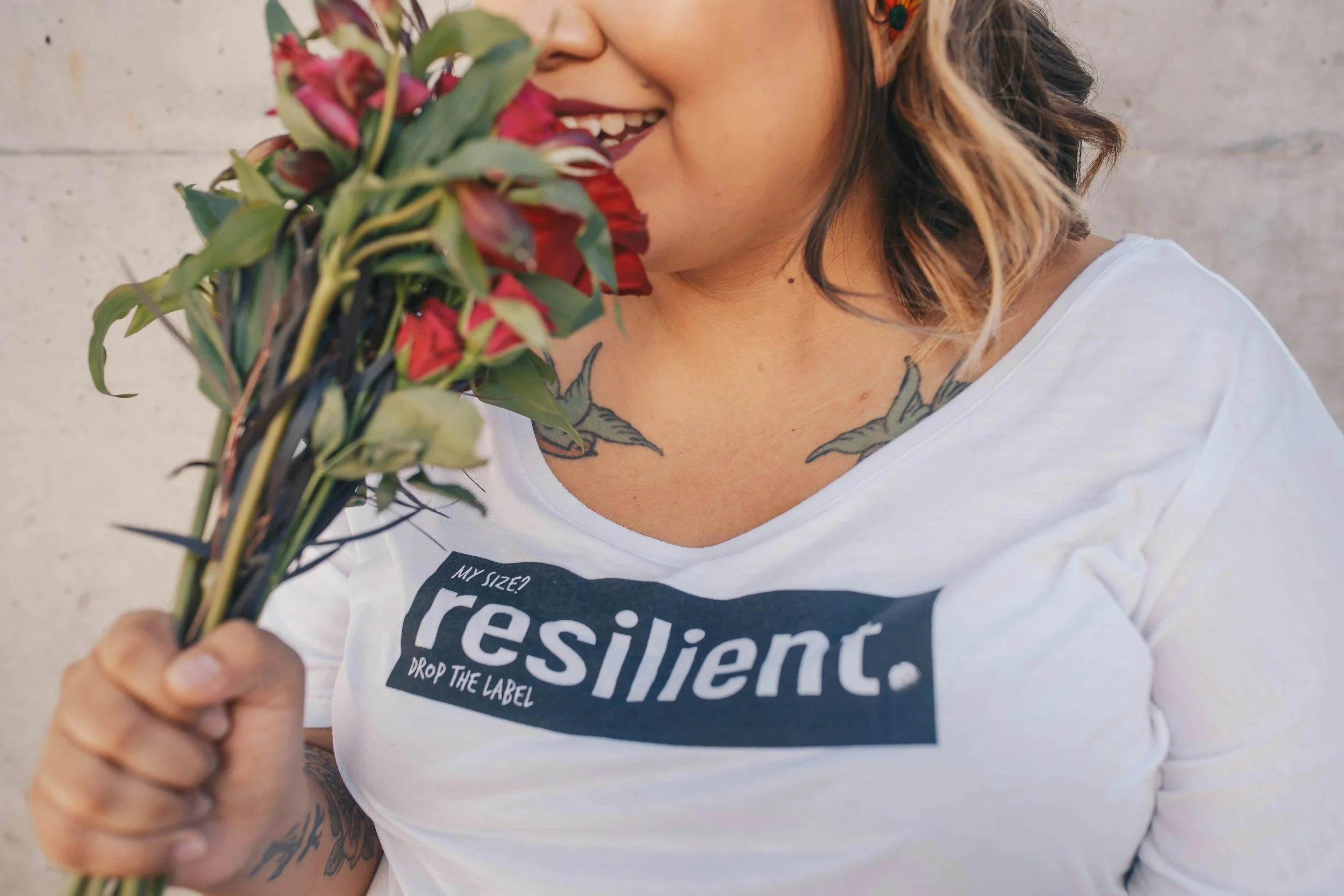
Feeling more connected to ourselves can feel scary at first thought, when survival mode has been to not pay attention to emotions, stressors, or our bodies.
Shifts often include:
Reconnecting to your emotional needs — having relationships with your emotions in a gentle manner
Making space for your body’s pace — being okay with slowness when your body calls for it
Awareness of survival-based coping, noticing, and challenging them
Feeling less weighed down by emotions
Allowing self-compassion and self-reassurance to enter more in your life
Feeling less alone inside your own experience — feeling heard in a non-judgemental space and expressing emotions to others with less fear
Feeling More Connected—to Others
The trust you build inside yourself naturally begins to reshape your relationships, because the self-understanding allows for space to communicate emotions, needs, and fears. In order to show up in relationships with clarity rather than fear. Noticing less anxiety, fewer fears of conflict, and more confidence in being yourself. Ultimately moving you to a place away from shame and guilt in stating your needs, showing up within your capacity, and feeling settled in receiving support from those around you.

Letting in people into who we are at our core is scary, and also at the same time can lead to the most beautiful relationships in our lives — free of judgement, second-guessing, and worry.
This often looks like:
Knowing what you need out of relationships, and not accepting less.
Naming what you need; without worry about negative outcomes of people leaving or misunderstanding you.
Discerning safe vs. unsafe connections; whether that is dating, family, or friendships.
Letting yourself receive support and lean into connections and safety.
Practicing boundaries without guilt getting in the way.
Recognizing when anxiety is speaking vs. your truth; through learning your unique signals.
Ligia's perspective on anxiety has been featured in Real Simple, Bustle, and We Are Mitú.
Signs You’re Starting to Feel More Connected
It’s hard to see progress when you’re in the middle of it. That’s why I pause with clients often to reflect on their growth. On a frequent basis, the discussion of progress is something I find quite enjoyable with clients because it allows them to slow down and celebrate gains they have made since we started working with each other.
For first-gen, BIPOC, and Queer adults, slowing down to acknowledge your progress can feel unfamiliar — but it’s a powerful part of healing.
Many clients begin to notice:
Feeling less responsible for everyone else’s emotions
Asking for support with less fear
Noticing your needs sooner
Routines feeling a little easier
More choice and less panic in relationships
Catching overthinking loops or spirals
Feeling more motivated and grounded
Experiencing moments of presence and ease
What Working Together Can Look Like
Therapy is a space where you don’t need to perform, hold it together, or over-explain your lived experience. It’s about reconnecting with who you are underneath the anxiety, pressure, and exhaustion. Many clients share that starting therapy felt like a big step outside their comfort zone — but for the first time in a long time, they felt truly heard.
Hi, my name is Ligia, and I am an anxiety therapist based in Los Angeles, CA, I understand how important it is to work with someone who sees you fully — your story, your values, and the experiences that shaped you.
Together, we create room to breathe, pause, and feel. Therapy becomes a collaborative process where you learn to slow down, notice patterns, practice new ways of relating, and build more compassion and self-trust. Each session is guided by curiosity and care, not pressure.
You don’t have to figure this out alone.
You Deserve Connection That Feels Safe and Real
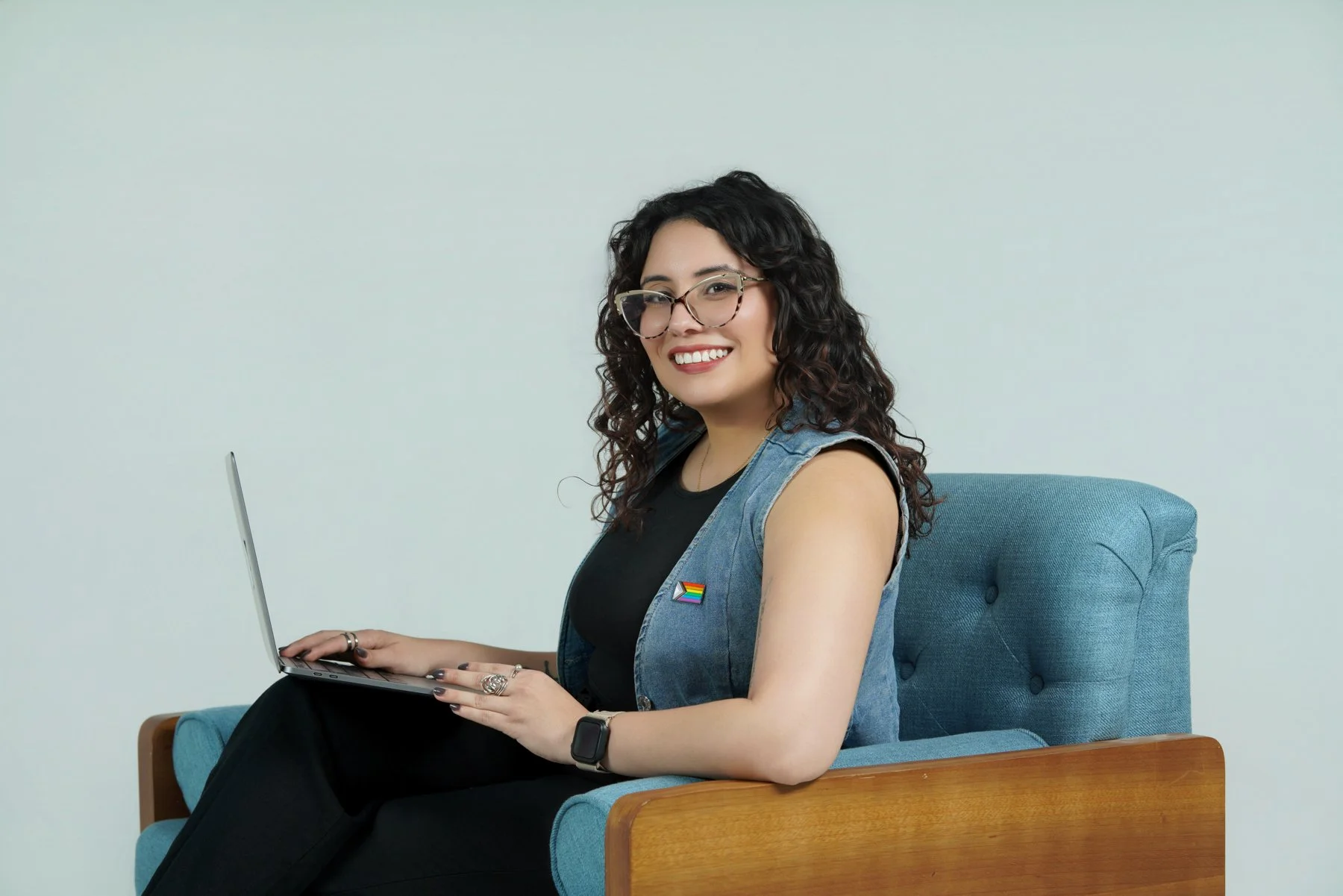
Moving through anxiety and overwhelm can feel heavy, like you’re carrying the weight of the world just to keep relationships intact. But as we’ve explored in this series — from noticing the overwhelm, to building awareness, to learning what safety feels like — there’s a path forward.
Connection isn’t something you have to earn or perform for. It’s something you get to experience. It’s possible to feel understood, supported, and truly seen — by yourself, and by others.
You deserve relationships where closeness feels natural, not exhausting; where your voice is heard, your boundaries are honored, and your needs are met with warmth and care. This is what healing looks like in practice: gentle, steady, and rooted in self-compassion.
Even small moments of connection — a soft conversation, leaning on someone safely, or allowing yourself to pause and feel — remind you that you can create and inhabit a life where connection is safe, real, and sustaining.
You don’t have to do it alone.
As an anxiety therapist in Los Angeles, I support first-generation, BIPOC, and Queer adults who are tired of carrying everything alone and want a more compassionate relationship with themselves and their connections. If you’re curious about what healing could look like for you, I'd love to connect.
I see clients in Los Angeles, CA online and in person at Torrance, CA, and serve the South Bay including Redondo Beach, Manhattan Beach, Hermosa Beach, and Palos Verdes. Contact me today to schedule your free consultation at (323) 493-6644 or Book Here.
You deserve support that honors who you are, where you come from, and who you’re becoming. Whenever you’re ready, I’m here.
This post is for educational purposes and does not constitute therapy or a therapeutic relationship

Ligia Orellana, LMFT (#122659)
I’m an anxiety therapist in Los Angeles, California, with a Master's in Couple and Family Therapy, certified in Somatic Attachment Therapy and LGBTQ Affirmative Therapy. I help first-generation BIPOC and Queer adults who feel the pressure to hold it all together move through self-doubt, anxiety, and relationship struggles. My work creates space for deeper connection and self-trust through emotional safety and cultural understanding.
Learn more about my work with relationship stress, people-pleasing and self-doubt, and online therapy, or visit my About page to learn more.
