
Code-Switching All Summer: The Exhaustion of Managing Multiple Identities
Why Code-Switching Feels Exhausting in the Summer
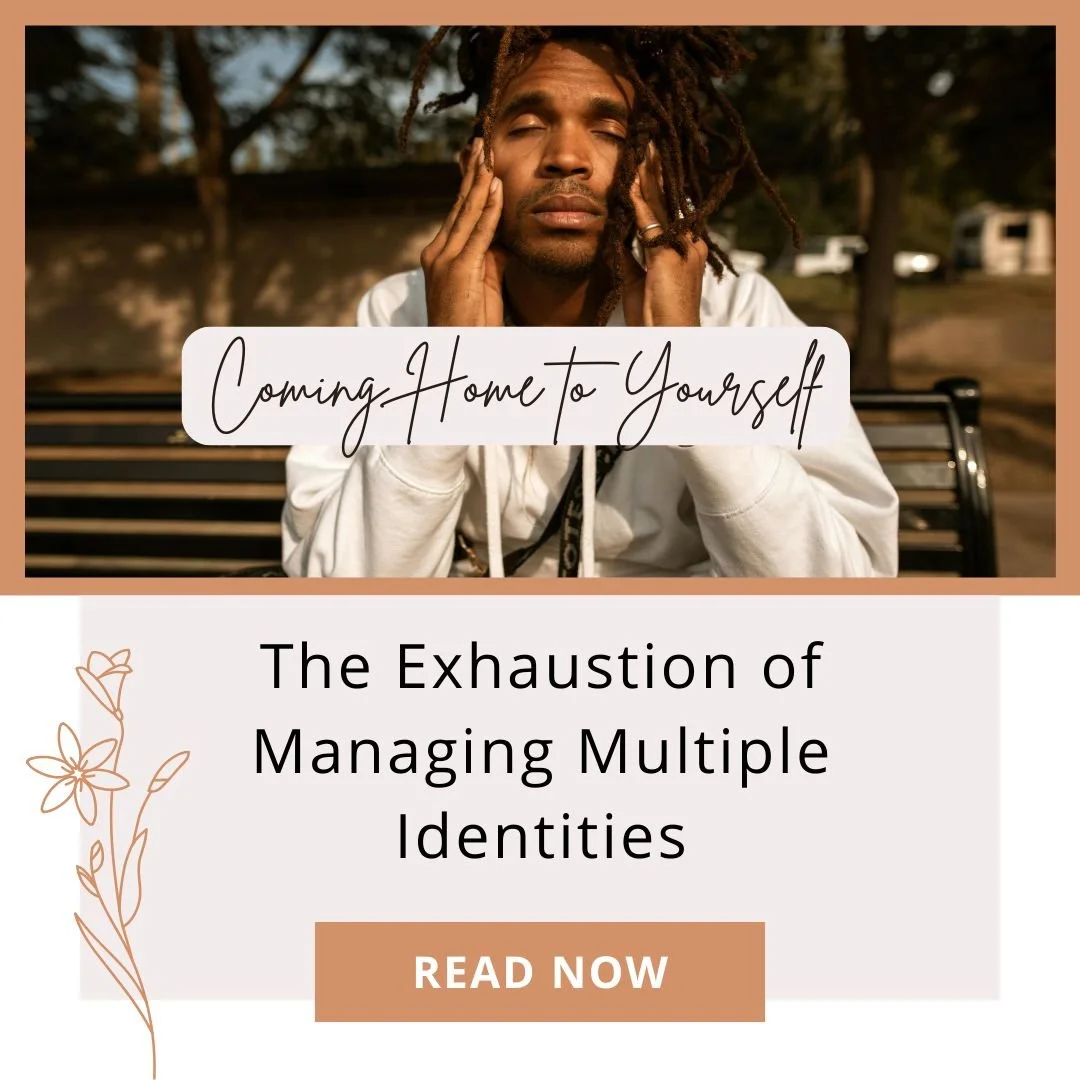
Code-switching between family, work, and community can quietly wear you down over time — and it can go unnoticed.
If you've ever felt like a different person with friends, family, at work, or in queer spaces — this post is for you. As a therapist in Torrance, CA, I've worked with First-Gen, BIPOC, and Queer clients who often begin to notice this as emotional exhaustion. Many times, the underlying stressor driving that burnout comes from the need to perform a version of themselves that's different from who they are on their own, or around people they feel safe with. Summer may only be a couple of months, but it tends to feel a lot shorter given how much it holds in family gatherings, Pride events, work, social plans. For QTBIPOC adults especially, this stretch of the year can bring its own layer of exhaustion — something I've written about more directly in Finding Calm in Uncertainty: Navigating Post-Pride Burnout. It makes sense that all of it can leave someone feeling tired by the end of it. Even more worth exploring: why does this tiredness show up even after gatherings that were supposed to be happy?
As summer winds down, it feels like a good time to talk about what support can look like if you're struggling with this kind of exhaustion. In order to understand where it comes from, and to know it doesn't have to stay this way. This is especially true if you're just beginning to notice the pattern for yourself, and want to feel more prepared heading into the upcoming holidays. Being able to attend gatherings without feeling drained by the end of them can be exactly the relief you're looking for.
Through a breakdown of what code-switching actually means, its impact on your mental health and well-being, how it becomes a pattern, what signs to watch for, and how to build a more balanced sense of self, my hope is that this gives you some clarity on how you want to move forward.
Key Takeaways
Code-switching is the practice of shifting your tone, behavior, or presentation to fit different spaces — and for many First-Gen, BIPOC, and Queer adults, it's a form of protection, not just performance
Constantly code-switching across family, work, friendships, and community can lead to real emotional exhaustion and identity fragmentation
Not all code-switching is harmful because some cultural adaptations carry respect and meaning, rather than distress
Therapy can help you choose when to code-switch on your own terms, instead of feeling exhausted by it
What Code-Switching Really Means (Beyond Just Language)
So, what is code-switching? It's the practice of shifting how you speak, how you behave, or how you present yourself to fit into different spaces which is often based on what you believe others expect of you. It can feel like a performance, one shaped by unspoken rules about what's acceptable in a given room.
In my therapy work in Torrance with First-Gen, BIPOC, and Queer clients, I often see this performance take on a specific weight: presenting a version of themselves in order to keep the peace, in spaces where who they are at their core may not feel welcome. Without always realizing it, this becomes a form of safety and protection. It's rarely something people do intentionally — it can be covert, unless it's pointed out, or unless they themselves start to notice how different spaces affect their emotions.
Code-switching can show up in different ways:
Changes in tone
The way you dress and carry yourself
Mannerisms
Being quieter or louder than usual
Emotional openness or caution
Language — formal versus casual
It's worth noting that the code-switching we're focusing on here is the kind that feels distressing — as opposed to code-switching tied to cultural expectations someone has consciously chosen for themselves. For First-Gen and BIPOC individuals especially, some cultural expectations can feel distressing, while others carry an underlying sense of respect that makes those shifts feel appropriate, not draining.
The Mental Health Effects of Code-Switching
When life feels busy and hard to slow down, it can be difficult to pinpoint the effects of code-switching — especially if you didn't realize it was connected to the tension you've been feeling, because it's simply become normal. When we grow up learning to conceal parts of ourselves as a way of survival and protection, it becomes even harder to notice the toll it takes. Helping clients recognize the signs of code-switching exhaustion creates more space to understand where it shows up, and how it manifests day to day.

Code-switching often shows up as shifts in tone, body language, or how much of yourself you let show.
Some common concerns I see with First-Gen, BIPOC, and Queer clients as a therapist in Torrance center around losing a sense of self — who they are — and getting lost in the roles they carry for others:
Second-guessing their decisions, with an underlying fear of disappointing others
Emotional exhaustion after gatherings, without always knowing why
People-pleasing behaviors to keep the peace
Crossing their own boundaries for the sake of others
Increased irritability toward those around them, or toward themselves
Confusion or a sense of being lost, stemming from the identity fragmentation that comes from constantly shifting who you present as
Struggling with a sense of belonging, leading to feelings of resentment and grief
All of these concerns speak to a broader experience many marginalized adults carry: minority stress — a concept rooted in social stress theory that has since expanded to examine its impact on BIPOC and queer communities specifically. It speaks to the emotional toll on marginalized populations navigating environments that aren't affirming or accepting. This is definitely something I see in my therapy practice in Torrance, clients often express concerns rooted in the difficulty of living authentically — shaped by worries of criticism, judgment, exclusion, disappointment, and a lack of acceptance. Underneath it all is often a deeper fear: that relationships might change, and what that would mean for them.
Why Code-Switching Between Family, Work, and Community Is So Draining
Keeping up with expectations and pressures can feel like the price of maintaining relationships with family, at work, and/or within community. But that comes with a real cost: the tiredness of staying hyperaware of how you're being interpreted by everyone around you. Being on guard, constantly monitoring how you behave, talk, or present yourself, can lead to overthinking in the moment and long after it's over.
When different parts of your life require different versions of yourself, it takes an emotional toll on how you can show up for yourself.

Code-switching often shows up as shifts in tone, body language, or how much of yourself you let show with family, friends, work, and queer spaces
With family, expectations might mean staying respectful by keeping opinions to yourself, steering away from certain topics, or softening your tone and language. Whatever version shows up is often the one that doesn't rock the boat — the one seen as "the strong one," or the one who has it together. This kind of pressure to perform a certain role can also show up around family travel which is something I explored in How to Emotionally Prepare for Multigenerational Family Trips, where similar dynamics of managing everyone's expectations tend to surface.
With friends, it often depends on how much of yourself you've been able to share with them. The patterns learned within family can carry into friendships and relationships too which can show up as the difficulty of being vulnerable, saying "everything is fine" even when it isn't, or becoming the listener rather than the one being listened to. Presentation can feel easy to rely on, while actually leaning on others feels much harder.
At work, professionalism is often prioritized with tone, language, and how you interact with others. The distress comes in when part of your identity needs to be concealed to avoid harm or discrimination, or simply to be taken seriously.
For QTBIPOC folks, queer community can hold affirming spaces, but that depends on other factors too in how comfortable you feel being expressive with your gender or sexuality, whether the environment feels genuinely affirming, whether others around you share similar experiences, and how much you're able to let your guard down.
None of these are wrong ways to move through the world because they're often necessary. But when different parts of your life require different versions of yourself, it takes a real toll on how you're able to show up, not just for others, but for yourself. Part of the work is finding that emotional balance of having a place to come home to and feel relief, where you don't need to code-switch at all — and beginning to notice what helps you feel more like yourself across all of these spaces.
How Therapy for Code-Switching Can Help
Being able to notice, for yourself, whether the underlying tension that's been hard to describe after socializing with others feels similar to the signs of code-switching exhaustion — that's worth paying attention to. It can be hard at first to see it as distressing, especially if the roles you carry are tied to who you've been for most of your life. At the same time, naming it can also help you identify a stressor you've been silently carrying.
As a therapist in Torrance, CA, I work with adults navigating identity stress that arises from years of code-switching — stress that can lead to real emotional burnout. Many clients express a fear of losing their sense of self, which often comes from hiding parts of themselves in order to prioritize the needs, expectations, and pressures of others. They come to therapy wanting to find themselves again, or to understand what that could even look like.
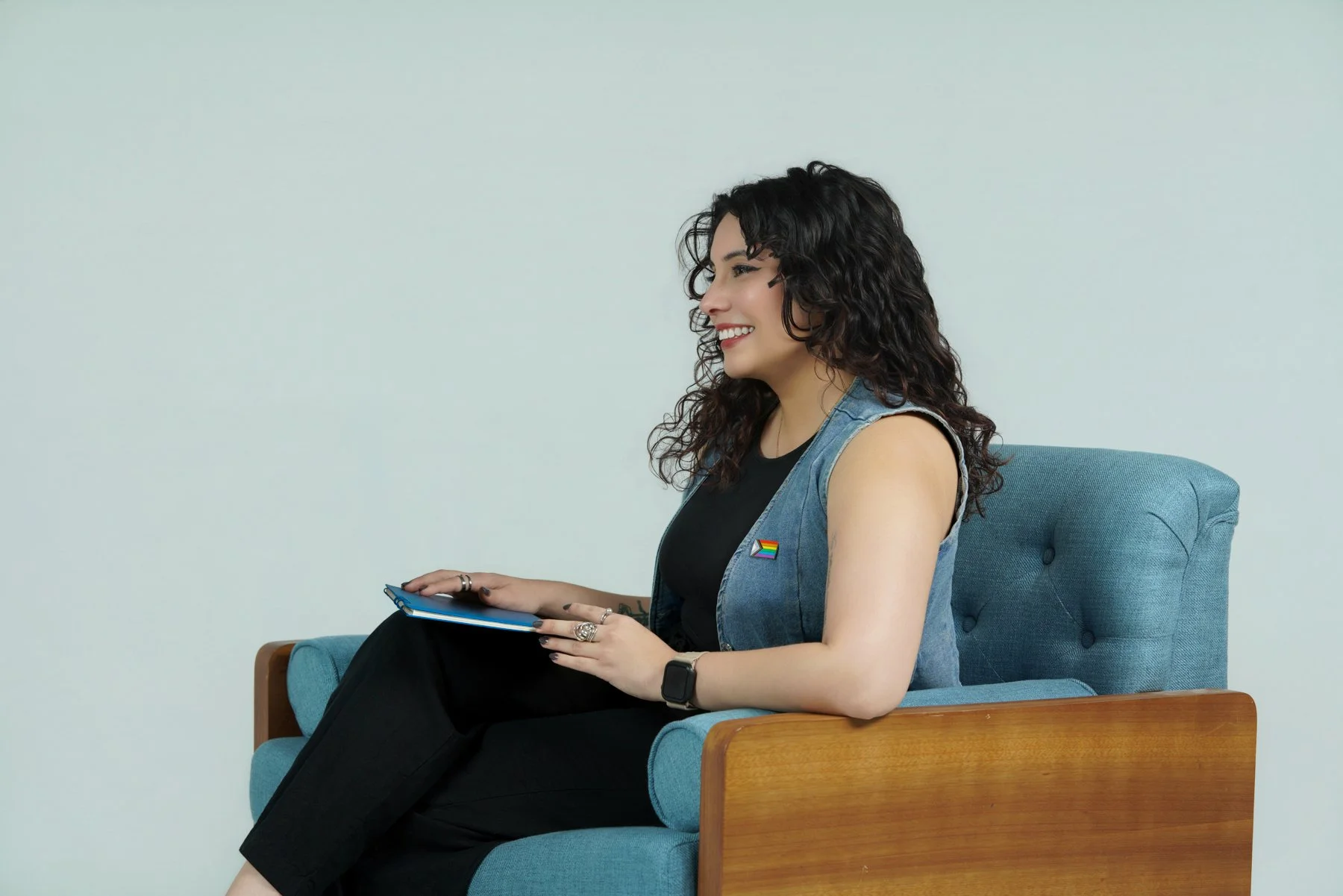
Ligia Orellana, LMFT — therapist in Torrance, CA, specializing in anxiety, boundaries, and identity-affirming care.
You don't have to want to create change right now, just know that healing is possible on your own terms, without having to completely sacrifice the roles that are part of you.
It's about learning what you want to keep, and how to work through the parts that feel distressing.
For many First-Gen, BIPOC, and Queer folks, it can be hard to recognize just how exhausting it is to constantly shift who you are depending on the space you're in, because many see it as a personal failure rather than what it actually is. That's why it's so important to talk openly about the intersection of culture, society, and family in all of this. Understanding that this is emotional labor, shaped by multiple layers of expectation and pressure, is what allows clients to begin untangling those worries and living differently.
If you're not sure where to start, I've put together a guide on how to find a therapist in Torrance, CA who actually gets it which is covering what to look for, questions to ask, and what working together might look like.
You Don't Have to Code-Switch Alone
You don't need to keep protecting yourself by constantly shifting who you are just to feel accepted in different parts of your life. You can build a life where you choose when to code-switch, on your own terms, without it always leaving you exhausted — especially during the months of the year that ask more of you. And you don't have to figure this out on your own, in order to find that balance between strengthening your sense of self and holding onto the relationships that matter to you.
I'm now offering in-person sessions for therapy in Torrance, CA or online therapy for those seeking an anxiety therapist in Los Angeles and throughout California.
As a therapist in Torrance and throughout the South Bay, I work with adults — especially First-Gen, BIPOC, and Queer individuals — to rebuild steadiness when life feels like it is pulling you in different directions.
You don't have to figure it all out alone. You can schedule a free consultation to see if working together feels like the right fit. If we're not the right fit, we can explore options to help connect you with someone who is. The first reach out can feel scary, which is normal, and many people I’ve worked with find that a free 15-minute consultation is a low pressure way to explore what healing can look like for you.
FAQ Section
What is code-switching?
Code-switching is the practice of shifting how you speak, behave, or present yourself to fit into different spaces — often shaped by what you believe others expect of you.
Is code-switching always harmful?
Not necessarily. Some code-switching is tied to cultural expectations that carry meaning and respect. It becomes distressing when it requires concealing parts of your identity to feel safe or accepted.
What are signs that code-switching is affecting my mental health?
Common signs include emotional exhaustion after gatherings, people-pleasing behaviors, irritability, a sense of losing your identity, and difficulty feeling like you belong anywhere fully.
Can therapy help with code-switching exhaustion?
Yes. Therapy can help you understand where this pattern comes from, process the emotional labor behind it, and find ways to feel more like yourself across different areas of your life.

Ligia Orellana, LMFT (#122659)
I’m an anxiety therapist in Los Angeles, California, certified in LGBTQ+ Affirmative Therapy and Somatic Attachment Therapy. I support first-generation BIPOC and Queer adults who feel the pressure to hold it all together in moving through self-doubt, anxiety, and relationship stress. My work creates space for deeper connection and self-trust through emotional safety and cultural understanding.
Learn more about my work in Torrance or through online therapy, explore specialties like relationship stress and people-pleasing and self-doubt, or visit my About page.
