
How to Emotionally Prepare for Multigenerational Family Travel

Emotionally preparing for a multigenerational family trip can be just as important as packing your bags.
Emotionally Preparing for Summer Family Travel
Summer in Torrance and the South Bay can feel like a sense of relief. Whether it's visiting the nearby beaches in the South Bay, joining outdoor activities like hiking in Palos Verdes, or taking late-night strolls through the Long Beach art walks to explore new food spots, it's a break from the hustle and bustle of what spring perhaps was. If stressors have been impacting you, the beginning of July can symbolize rest and rejuvenation for some people here in the South Bay, and for others it can mean completing a summer bucket list.
For a few, though, summer months may bring a sense of dread with the reminder of an upcoming multigenerational family trip they aren't looking forward to. Perhaps the emotions attached to this trip have been pushed to the back of their minds, telling themselves they had more time to prepare or hoping it might get canceled. It's a common place to be — accepting an invitation or planning a trip you held hesitations about, but letting the hopeful part of you dismiss the worries. Now those thoughts start to eat at you: worst-case scenarios of things going wrong, being the one who holds the family together, putting others' needs above your own, boundary crossing, and the emotional weight this trip might take.
As a therapist in Torrance, CA, I remind my clients that while it's easy to get swept up in the busyness of summer, it's important to set aside time — even if it's just in therapy — for not only packing, but for the emotional preparation trips require. My sessions throughout summer lean heavily into supporting clients around family vacations: understanding their emotional capacity, prepping for emotional labor, creating boundaries away from home, and navigating partial-family invites. Let this blog be a useful guide to return to if you're struggling to navigate family vacations this summer.
Key Takeaways
Emotional preparation for a family trip matters as much as logistical packing. A useful tool is self-reflection on past gatherings to help you anticipate what might feel overwhelming
Common feelings include guilt, resentment, and frustration, and setting boundaries around time, space, and conversation topics is a form of self-care, not rejection
When a trip can't include everyone, framing the decision around logistics rather than personal dynamics can reduce hurt feelings
Preparing emotionally can help you avoid post-vacation exhaustion and the need for extra recovery time once you're home
How to Emotionally Prepare for a Family Trip

Grounding routines like journaling or mindful breathing can help you feel centered throughout a family trip.
Self-reflection is a powerful tool, and one clients often return to when they start to feel overwhelmed or notice tension building. It can be especially helpful in figuring out what you might need during a summer vacation for the moments when you start to feel overwhelmed. In this case, that might mean thinking about how recent holidays have felt for you emotionally. Extended family gatherings can trigger anxiety, stress, or an external sense of pressure to keep everyone happy. It might be specific relatives known for sharing judgment and criticism freely, making pointed comments, or struggling to regulate their emotions once they start to feel heated.
Naming these different variations of annoyance and irritability helps you create a plan for what tools you'll need to feel more grounded away from home. Preparing mentally can also mean setting realistic expectations for interactions, acknowledging that not every conversation or activity will go smoothly, and reminding yourself that it's okay to step back when needed. I often encourage clients to create small personal grounding routines — walks, journaling, or mindful breathing — that they can use throughout the trip to stay centered. Even a "safe word" system with a partner or friend for subtle exit cues can be incredibly supportive.
Common Feelings on Family Trips — and Boundaries to Set
Even with these tools in place, certain feelings tend to surface anyway. Being away from home — your safe space — can be distressing in itself. It's okay to feel overwhelm, frustration, irritability, guilt, and even resentment leading up to a trip. People often don't realize they may need to set boundaries, or that they even have the option to, especially if they grew up learning not to rock the boat and felt it was their responsibility to keep the peace. Setting boundaries can feel selfish or even disrespectful in that context. Cultural messages and unspoken rules we followed as children can make it feel, as adults, like our bodies resist carving our own path toward boundaries that support our self-care. I've supported First Gen, BIPOC, and Queer individuals in understanding the guilt and pushback they feel when creating new ways of interacting with relatives or situations that feel distressing — so they can build boundaries that are low-pressure, aligned with their needs, and don't feel unattainable in their lives.
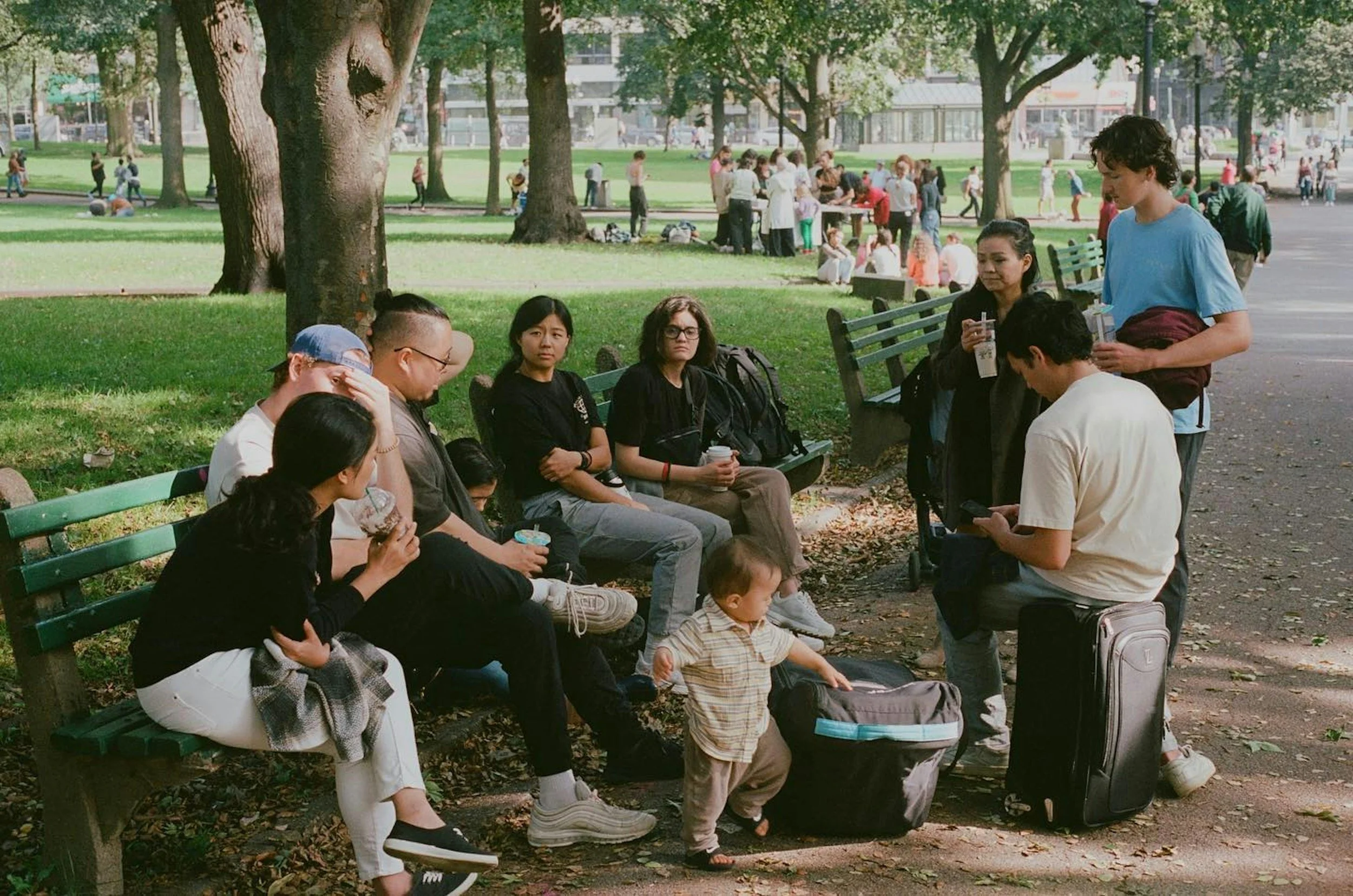
The following can be small ways to integrate moments of calm during family travel:
Being strategic with time shared versus personal decompression time: Avoiding back-to-back interactions with relatives that feel draining.
Being intentional with sleeping and private space arrangements: Identifying a safe space to return to when feeling drained, or carving out a morning to yourself to set intentions for the day if you're in a shared living space.
Having different ways to exit distressing conversations: Something to practice at home with a support system before leaving on vacation — having two or three go-to statements ready to go.
Having a toolkit of different ways to cope with feeling overwhelmed on a trip can increase your sense of confidence and control, even when the trip doesn't naturally feel that way. It can be easier to avoid the discomfort of paying attention to the moments you're not looking forward to, telling yourself you can handle it. The real question is: are you able to fully enjoy it, be present, and come home without feeling exhausted?
Integrating these small practices can make the trip more enjoyable and reduce post-vacation regret or emotional exhaustion — especially the kind that lingers once you're home and needing extra time to recover. The goal isn't to avoid discomfort entirely, but to support yourself through it in a more intentional and gentle way.
How to Handle Partial Family Invites on a Trip
Gentle ways that involve reminding yourself that pleasing everyone when planning a trip can be extremely difficult and can bring up worries around disappointing relatives. Something I see as a therapist that works with the QTBIPOC community in Torrance and Los Angeles around anxiety rooted in cultural and systematic pressures. It is hard to let go of those feelings, even if you know how draining it can be. It makes sense to want to avoid feelings of discomfort for yourself and that of others.
It can be helpful to remember in planning family trips, if a trip does not include everyone, the reasons can be more about logistics than the personal dynamics it may bring up. Explaining the decision in practical terms can make it feel less personal and less emotionally charged.
Especially for those just beginning to learn how to set boundaries, it can be helpful to begin using reasons related to scheduling or capacity, in order to build comfort:
'We wanted to keep this trip smaller to manage accommodations and schedules' or 'We thought this would be a good mix to try for this year,' can help create some emotional distance. This approach can reduce hurt feelings while still allowing you to honor your needs."
Family Trips Don't Have to Leave You Emotionally Drained

Ligia Orellana, LMFT — therapist in Torrance, CA, specializing in anxiety, boundaries, and family stress."
Guilt can be a silent driver of our actions, especially when an action is preceded by the fear of leaving someone feeling hurt or sad. It has a funny way of working, because we come to believe our own needs aren't important — and it's hard to reach the place where we can move past the discomfort of living life differently.
As a therapist in Torrance who specializes in supporting adults looking to feel less constantly conflicted or obligated to act in certain ways that leave them overwhelmed, I'd like to share this: it's never too late to learn how to express yourself freely, set boundaries, learn to say no in a way that feels right, and gain confidence in yourself.
Family trips, gatherings, and obligations don't have to keep leaving you more emotionally drained coming home than when you left. These moments of stress and pressure can be an opportunity to learn more about yourself and the reasons underneath them — emotionally prepping for them instead of getting hit with a flood of thoughts mid-trip and not knowing what to do with them. Holding onto tools that help you feel like you have a grasp on your emotions, instead of feeling like they have a grasp on you.
If you're finding that the travel stress feels bigger than a blog post can help with, I'm now offering in-person sessions for therapy in Torrance, CA or online sessions for those seeking an anxiety therapist in Los Angeles, CA. Online therapy is also available throughout California.
You don't have to figure it all out alone. You can schedule a free consultation to see if working together feels like the right fit. If we're not the right fit, we can explore options to help connect you with someone who is. The first reach out can feel scary, which is normal, and many people I have worked with come to find a free 15 minute consultation is a low pressure way to explore what healing can look like for you.
Call (323) 493-6644 or book a consultation here.
FAQ Section
How do I emotionally prepare for a family trip?
Start by reflecting on how past gatherings have felt, name what typically feels overwhelming, and build small grounding routines — like walks, journaling, or a "safe word" system — to use throughout the trip.
What boundaries should I consider before a multigenerational trip?
Common boundaries include spacing out time with draining relatives, having a private space to retreat to, and preparing a few go-to phrases for exiting distressing conversations.
How do I handle inviting only some family members on a trip?
Framing the decision around logistics, like scheduling or space, rather than personal dynamics can make it feel less charged and reduce hurt feelings, while still honoring your own needs.
Is it normal to feel guilty about not including everyone on a trip?
Yes. Guilt often comes from fear of disappointing others, but it doesn't mean you're doing something wrong. It's a common feeling that tends to ease with practice.

Ligia Orellana, LMFT (#122659)
I’m an anxiety therapist in Los Angeles, California, certified in LGBTQ+ Affirmative Therapy and Somatic Attachment Therapy. I support first-generation BIPOC and Queer adults who feel the pressure to hold it all together in moving through self-doubt, anxiety, and relationship stress. My work creates space for deeper connection and self-trust through emotional safety and cultural understanding.
Learn more about my work in Torrance or through online therapy, explore specialties like relationship stress and people-pleasing and self-doubt, or visit my About page.
