
Age Gap Relationships: What Actually Matters Beyond the Numbers
Why Age Gap Relationships Bring Up So Many Questions
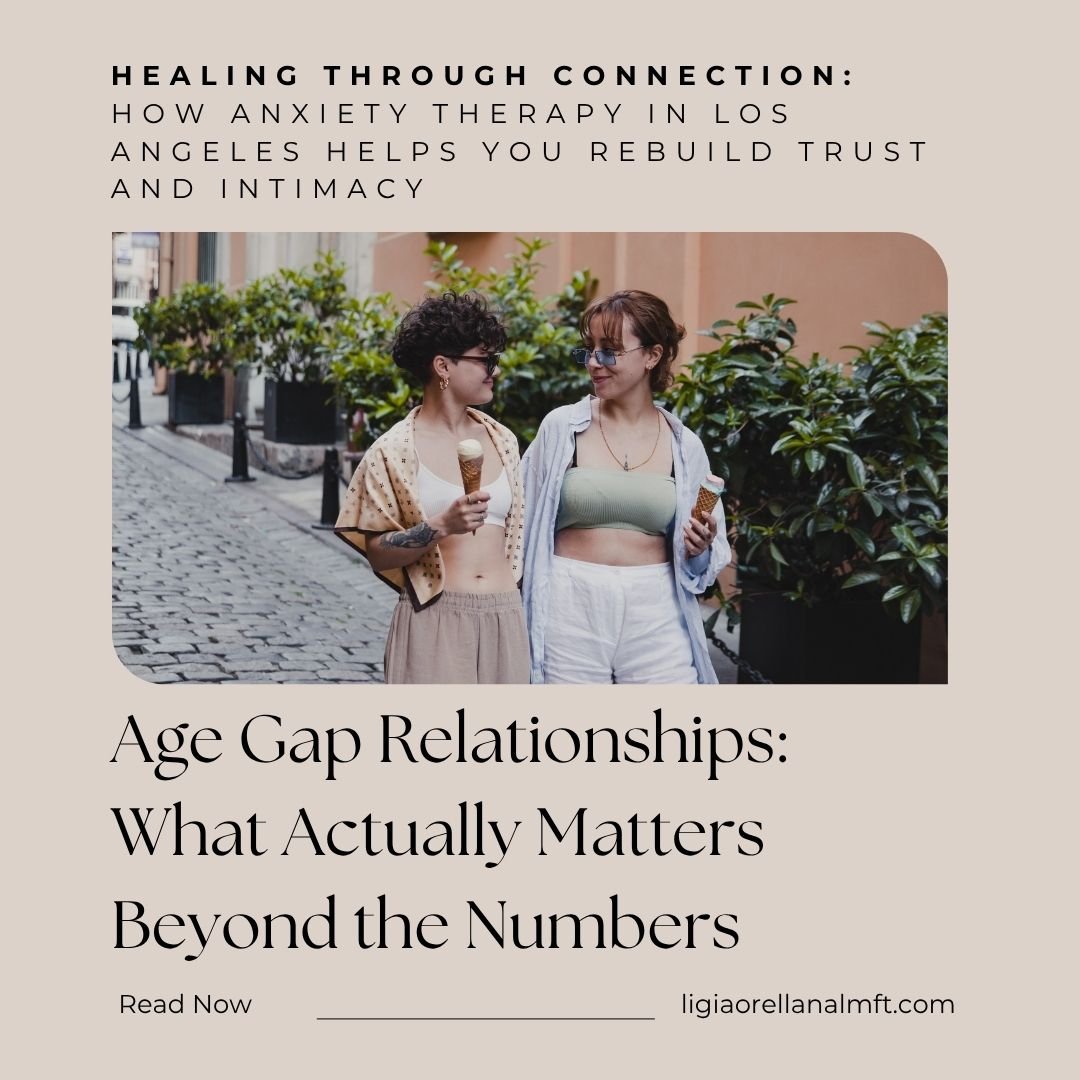
This is something that exists in all relationships—the question of whether partners are aligned in where they are, what they’re looking for, their emotional availability, and how they navigate conflict together.
Dating shows have been on the rise in the past few years, showcasing strangers meeting for the first time; getting married, dating in pods sight unseen, and most recently, exploring relationships with an age gap. The new Age of Attraction touches on a dating pool that can be stereotypically misjudged, and one we haven’t often seen centered in this way. It asks the question: does age really make a significant difference in dating?
The show frames this as a social experiment, where many are experiencing dating without knowing each other’s ages for the first time. There is uncertainty right from the start. It can bring up fears, nerves, and hesitations—and maybe also excitement, since it is something new and shared with others who are exploring the same thing.
You might even find yourself wondering what this would look like in your own dating life.
As a society, there can be judgment around dating someone older or younger. At the same time, it sparks curiosity about whether there are real differences in dating within an age gap.
There’s often a belief that being older may mean a higher probability of life experience, leading to more emotional availability, confidence, and communication. On the other hand, being younger can be associated with assumptions of being naive, not ready to settle down, or lacking seriousness.
And the truth is, what it really comes down to is whether two people are aligned in their lives. How you show up in relationships truly impacts the longevity of it lasting.
This is something that exists in all relationships—the question of whether partners are aligned in where they are, what they’re looking for, their emotional availability, and how they navigate conflict together.
These are questions I often explore with clients as a therapist in Los Angeles, especially when relationships don’t feel straightforward.
I’ve also shared these insights in Real Simple, where I spoke about age gap relationships and emotional compatibility.
The Challenges That Can Come Up in Age Gap Relationships
Challenges in relationships with significant age gaps can include worries about how the relationship will be perceived by others, alignment in life phases, and ultimately emotional compatibility. Many of these can feel especially challenging for a new couple who hasn’t experienced this before—similar to what we see on the show.
Jumping into something new can feel confusing when you’re met with stressors you may not have anticipated.
For many, growing up around expectations related to dating, marriage, and having children can shape how distressing an age gap relationship may feel. This is especially true if it is unfamiliar or not accepted within the family.
Some of these challenges can look like:
Fear of judgment: Growing up within a family system that holds strong beliefs about relationships can impact someone’s ability to feel confident in their decisions. There may be fear of disappointment, conflict, or even distance from their support system. At times, this can lead to abandoning personal wants in order to appease others.
Different life phases: One person may feel ready to settle down, while the other may be in a different stage — wanting to travel, explore, or focus on other goals.
Emotional compatibility: Differences in communication, vulnerability, and the ability to move through conflict can impact the relationship. These can be difficult to navigate, especially when two people are still getting to know each other—something we see play out with strangers on the show.
Do Age Gaps Actually Matter in a Relationship?
Age gaps do not necessarily have to matter to everyone. It is highly dependent on what feels important to a person in the life phase they are in.
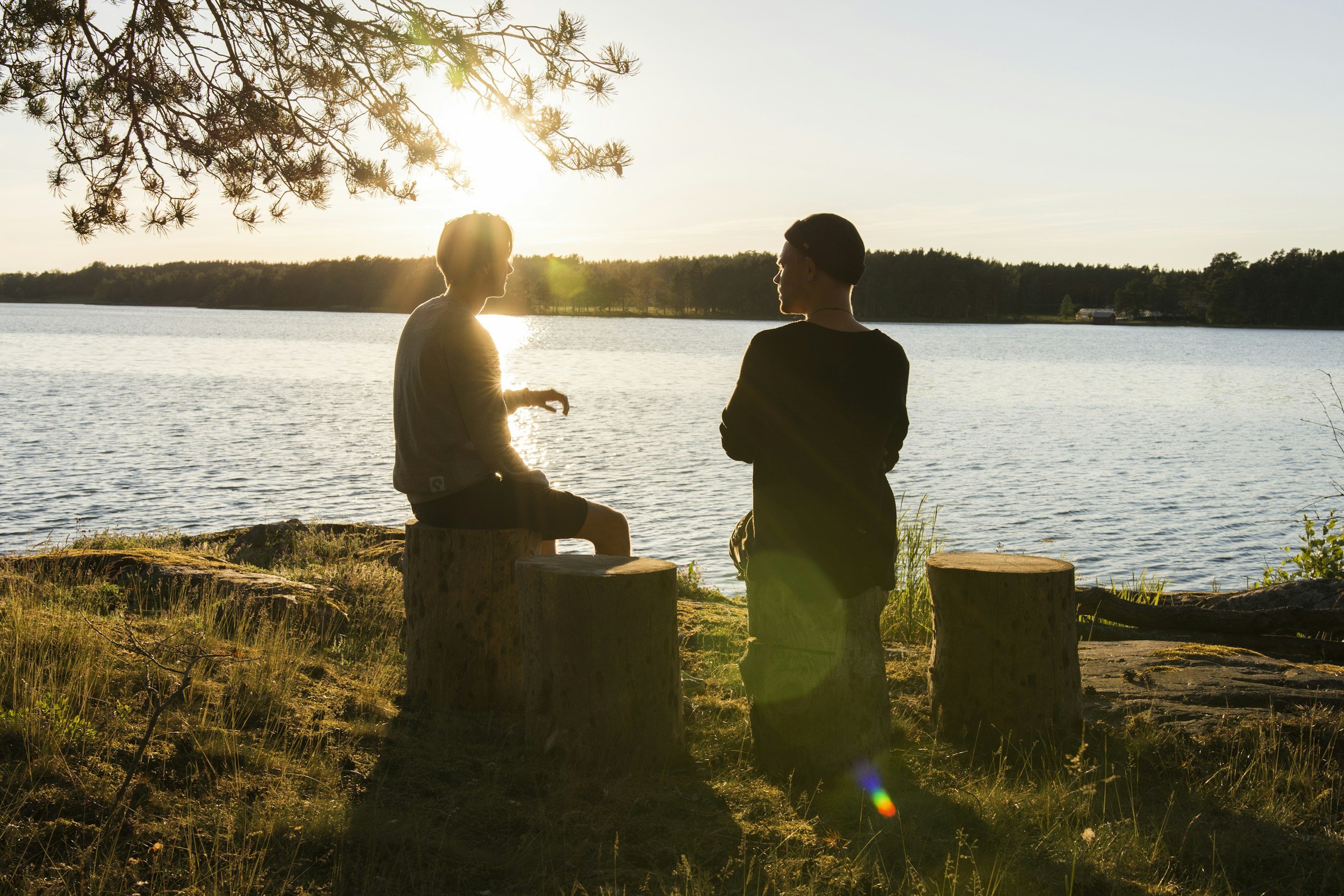
Alignment means more than most individuals assume it plays into dating and relationships.
There are often individual goals that people carry, and when entering a relationship, it can feel important that these align; especially if they are non-negotiable.
It can be helpful to think about your expectations and how you picture your future. This can offer clarity on whether certain differences may feel manageable or may create tension in a relationship.
Some areas to reflect on include:
values and life stage
children, timelines, and lifestyle
What Helps an Age Gap Relationship Feel Aligned and Supportive
An age gap relationship can absolutely be successful if certain areas feel aligned for both partners, such as life phase, values, and having a support system that can be on board with the relationship.
Shared values: These are often the foundation of how someone moves through life and makes decisions. What feels important to each person, and how they navigate differences, can shape the relationship over time.
Emotional availability: This reflects someone’s relationship to growth, accountability, and how they handle discomfort. It shows up in moments of conflict, miscommunication, and navigating differences. Something that matters in any relationship, regardless of age.
Support system: Feeling a sense of community and support can make a difference in how grounded someone feels in their decisions. Ongoing worries about judgment or criticism can create internal conflict, especially when a relationship may not be fully accepted by others.
What Shows Like Age of Attraction Get Right—and What They Miss About Real Relationships
The dating experiment demonstrates that despite age gaps, conversations around values and emotional availability are important to explore before committing to a partner. It also captures how fears of judgment and criticism can show up, and the emotional impact this has on individuals.
I was recently quoted in Real Simple on this topic, where I spoke about how fears of judgment and criticism are quite prevalent when exploring dating with an age gap, and the emotional impact this can have.
It becomes meaningful when people are able to engage in deeper conversations around boundaries, values, and alignment. This includes exploring emotional availability during conflict, understanding communication styles, and learning each other’s emotional needs.
At the same time, the show highlights some limitations. There is often not enough time to fully explore deeper conversations or acknowledge important non-negotiables before moving into the next stage of the relationship. In some cases, these topics are delayed until later moments—such as the “promise room”—which can lead to misalignment once couples begin cohabiting.
Some of these gaps could be supported by:
earlier disclosure of non-negotiables
taking time to differentiate initial emotional intensity from deeper compatibility
discussing what emotional support looks like for each of them when navigating moments of nervous system overwhelm

Therapy provides support for the emotional toll that can feel silent or lonely in dating and relationships.
The Emotional Impact That Often Goes Unspoken
It’s important to keep in mind that some individuals may be navigating dating with an age gap for the first time. The emotional stress we see can reflect what it feels like when someone’s nervous system is in a new situation and trying to protect them from getting hurt.
This can mirror real-life dating, where excitement around a new connection can quickly meet the reality of misalignment. It can feel confusing and can leave you questioning yourself.
There can be anxiety around the uncertainty of whether conflicts can be worked through, how to approach differences, and how to practice vulnerability and emotional openness. This is often where relationship anxiety can show up, something I support clients with in my work providing anxiety therapy in Los Angeles.
There may also be self-doubt—especially when trying to make decisions while also considering someone else’s feelings. Moving quickly, like in the experiment, can intensify the need for self-trust.
And for many, there can be a fear of being judged or being “wrong” in making a decision about moving forward in a relationship—especially when others’ opinions feel present.
What Watching This Can Bring Up in Your Own Dating Life
If you’re navigating questions around relationships, compatibility, or anxiety in dating, support can help you slow things down and make sense of what feels important to you. Dating can feel like an emotional rollercoaster—full of meaningful moments, and at times, emotionally draining ones. You don’t have to navigate it alone.
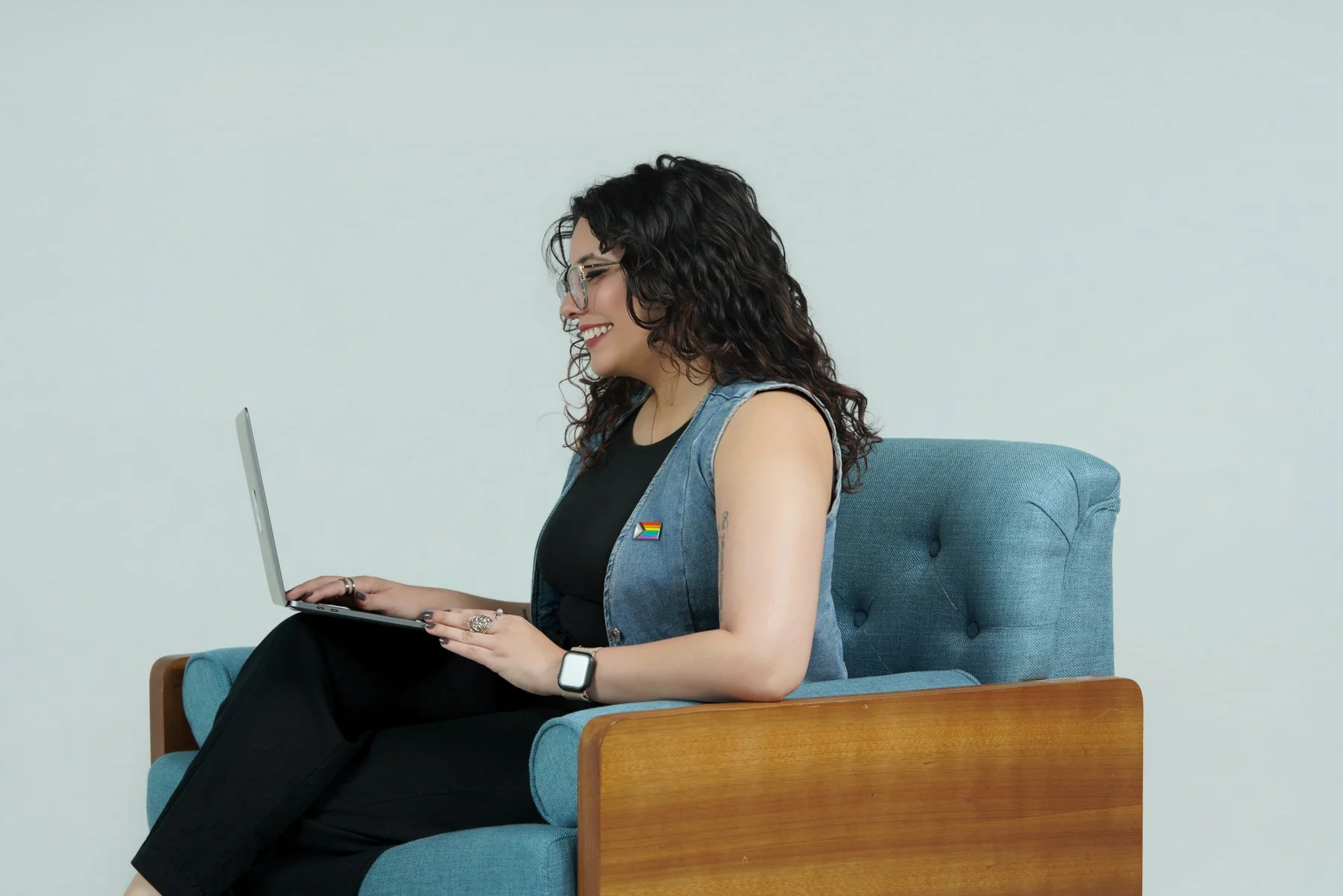
As a therapist in Los Angeles, CA for anxiety, I support individuals navigating questions around relationships, compatibility, or anxiety in dating.
If you’re navigating questions around relationships, compatibility, or anxiety in dating, working with a therapist in Los Angeles orin-person therapist in Torrance, CA can help you slow things down…
As an anxiety therapist in Los Angeles, CA, I support first-generation, BIPOC, and Queer adults who are tired of carrying everything alone and want a more compassionate relationship with themselves and their connections. If you’re curious about what healing could look like for you, I invite you to explore the possibility of working together.
You deserve support that honors who you are, where you come from, and who you’re becoming. Whenever you’re ready, I’m here.
Contact me today for your free consultation at (323) 493-6644 or Book Here.
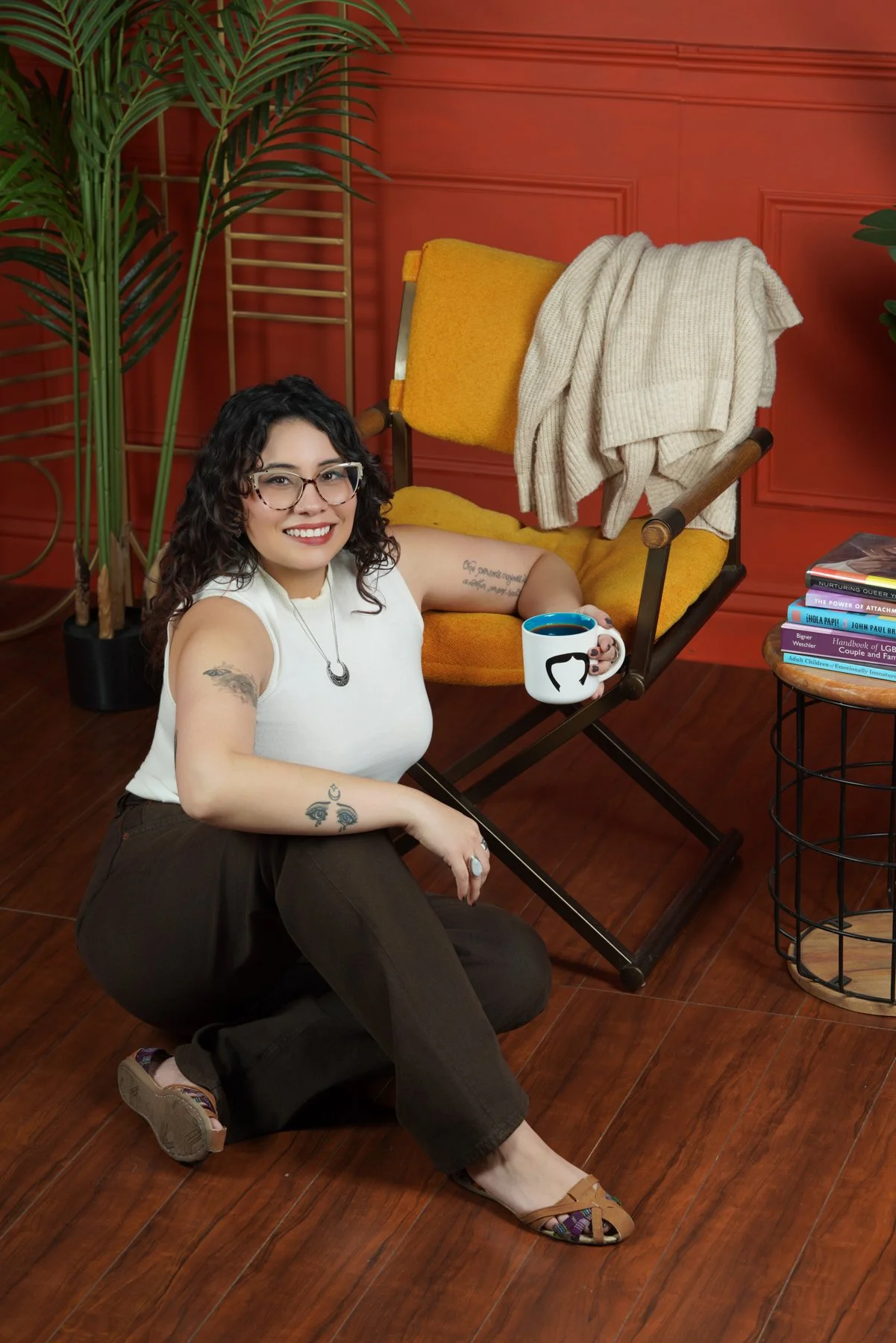
Ligia Orellana, LMFT (#122659)
I’m an anxiety therapist in Los Angeles, California, certified in LGBTQ+ Affirmative Therapy and Somatic Attachment Therapy. I support first-generation BIPOC and Queer adults who feel the pressure to hold it all together in moving through self-doubt, anxiety, and relationship stress. My work creates space for deeper connection and self-trust through emotional safety and cultural understanding.
Learn more about my work in Torrance or through online therapy, explore specialties like relationship stress and people-pleasing and self-doubt, or visit my About page.
