
What Emotional Availability Actually Looks Like in a Relationship
Your Guide to Emotional Availability Signs
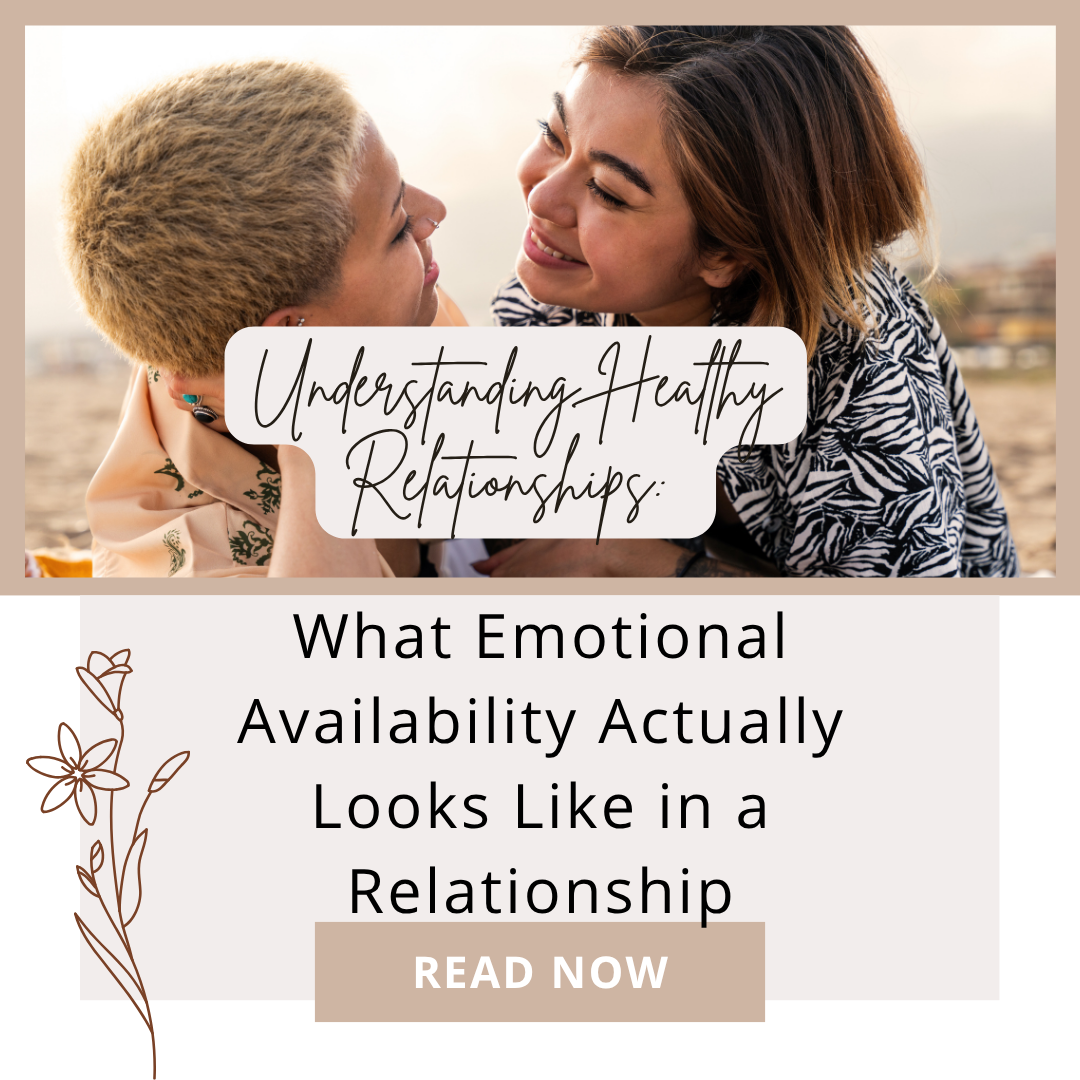
Emotional availability is what helps relationships feel safe, grounded, and sustainable over time.
Many people over-focus on chemistry in relationships—how exciting, fun, or “magnetic” the connection feels—while under-focusing on emotional presence. Emotional availability is what allows a relationship to grow through challenges, miscommunication, and conflict, not just the good moments.
This is something that can show up in many types of relationships, including those where there are differences in life stage or expectations—such as age gap relationships.
As a therapist in Torrance, CA who specializes in anxiety that shows up in relationships, I often see adults wanting to know what to pay attention to in order to decipher whether a connection is healthy or if something is being missed. It can be easy to fall into second-guessing and overthinking, especially with how many opinions we are exposed to. This can feel even more confusing if you grew up around relationships that did not model healthy communication or conflict resolution.
I often observe how easy it is to become entangled in new connections, especially when slowing down in the moment feels difficult to hold onto. Or when there is uncertainty around what to look for in order to feel more grounded internally.
A Question I Often Recommend to Clients
I work with many adults who have grown up in roles where they were the problem solver, someone others relied on, and someone who offers thoughtful advice to friends and family. And yet, when it comes to their own romantic relationships, it can feel harder to identify what it means to choose ‘the right person.’
At times, this can look like falling into familiar roles; such as being the caretaker or the one who holds everything together. There can be a lot of pride in being someone others can count on. But it can also lead to a kind of hyper-independence, where it feels difficult to lean on someone emotionally.
This dynamic can impact how emotional availability is understood and recognized in a relationship. It can sometimes be confused with surface-level indicators, such as someone saying they’ve been to therapy, listen to podcasts, or are invested in wellness. But emotional availability is less about what someone consumes, and more about how they reflect, take ownership, and engage in relationships.
This is what we are looking for, and what we will begin to explore here. Instead of focusing only on how a connection feels, it can be helpful to slow down and ask questions that give you more insight into how someone shows up in relationships.
A question I often recommend to clients who want to explore emotional availability in a current or potential partner is:
“Tell me about how your last relationship ended and when you first noticed it was becoming difficult?”
This question can open up conversations around how someone interprets relationship challenges or breakups, and their ability to take emotional ownership and self-reflect.
What to listen for: (1) How they describe challenges or endings (2) Their tone and openness (3) Their willingness to take responsibility or reflect on their role.
What Emotional Availability Actually Looks Like
A major part of emotional availability is self-reflection, and the different ways it can show up in relationships during both fun and stressful moments. It is often reflected in how someone is able to show up for you in ways that help you feel appreciated and seen.

Emotional availability shows up in both the good moments and the hard conversations.
This can look like:
Being able to celebrate your wins
Checking in with you emotionally
Asking in-depth questions about who you are and what you care about
Being an active participant in your interests
Emotional availability can also be seen in someone who is able to stay present in difficult conversations within a relationship. It’s an essential piece of any healthy relationship because it becomes the baseline for being able to count on your partner, feel safe, and trust they will stay present beyond the easy moments and into the hard ones.
This can look like: Staying present during hard conversations, not shutting down or walking away, not deflecting responsibility onto others, and communicating what is happening for them internally
Signs Someone May Not Be Emotionally Available
For many of us, our childhoods and early relationships did not provide the tools to feel safe being emotionally available. While the following are some signs that someone may struggle with emotional availability, it’s also important to keep in mind that this may be a conscious or unconscious pattern.
When emotional availability is missing, it can intensify anxiety and self-doubt in relationships.
This can look like:
Defensiveness in response to feedback
Avoidance of difficult conversations
Inability or unwillingness to take responsibility for their role in challenges
This is not to say that you should completely write someone off if these signs are present. Rather, these are meant to be psychoeducational—helping you better understand the difference between emotional availability and unavailability.
If you find yourself feeling curious about how to work through these patterns, therapy can be a helpful space to explore how they have shown up in your relationships, why they may feel difficult to shift, and how to begin creating new patterns in moments of reactivity.
Why Emotional Availability Matters More Than Chemistry
Chemistry can feel exciting, but emotional availability is what sustains a relationship over time.
It builds:
Safety to be yourself
Trust that your partner will stay present in hard moments
Consistency in emotional support
The ability to begin healing past relationship wounds
It’s also important to acknowledge that healthy relationships do not always begin with both partners having emotional availability fully developed. Past relationship experiences and wounds can impact how someone shows up.
What often matters more is a willingness to learn, reflect, and stay engaged even when things feel uncomfortable.
This can happen through individual or couples therapy, including working with a therapist in Los Angeles or in-person in Torrance, CA. Even by beginning with curiosity, such as reading, listening to podcasts, or exploring one’s attachment style and family dynamics.
I have worked with individuals who commit to understanding themselves more deeply, learning their patterns, and having open conversations with their partners. They take what they learn and actively apply it within their relationships—while also paying attention to whether their partner shows a similar willingness to reflect, listen, and grow.
How This Connects to Anxiety in Relationships
As a therapist who specializes in anxiety, I work with many clients who describe dating someone or being in relationships that feel uneasy for them or notice something feeling off but struggle to put into words the reason —or feeling emotionally overwhelmed and out of control. They can note an undeniable sense of not feeling heard or seen by someone. At times, it is not just in relationships, this ‘hard to name’ feeling exists in their friendships, work relationships, and familial relationships. But where they can note it is perhaps in new connections, because it can impact how they handle uncertainty and unpredictability. Or in their existing romantic relationships, because they spend the most time with them.
Emotional unavailability in defensive, inability to take accountability, and the struggle to stay during conflict can bring up feelings associated with other relationships. It can intensify anxiety in relationships, —especially when anxiety shows up in the body and impacts decision-making, particularly for those who:
Overthink their partner’s intentions
Struggle with people-pleasing
Feel emotional insecurity in their connections
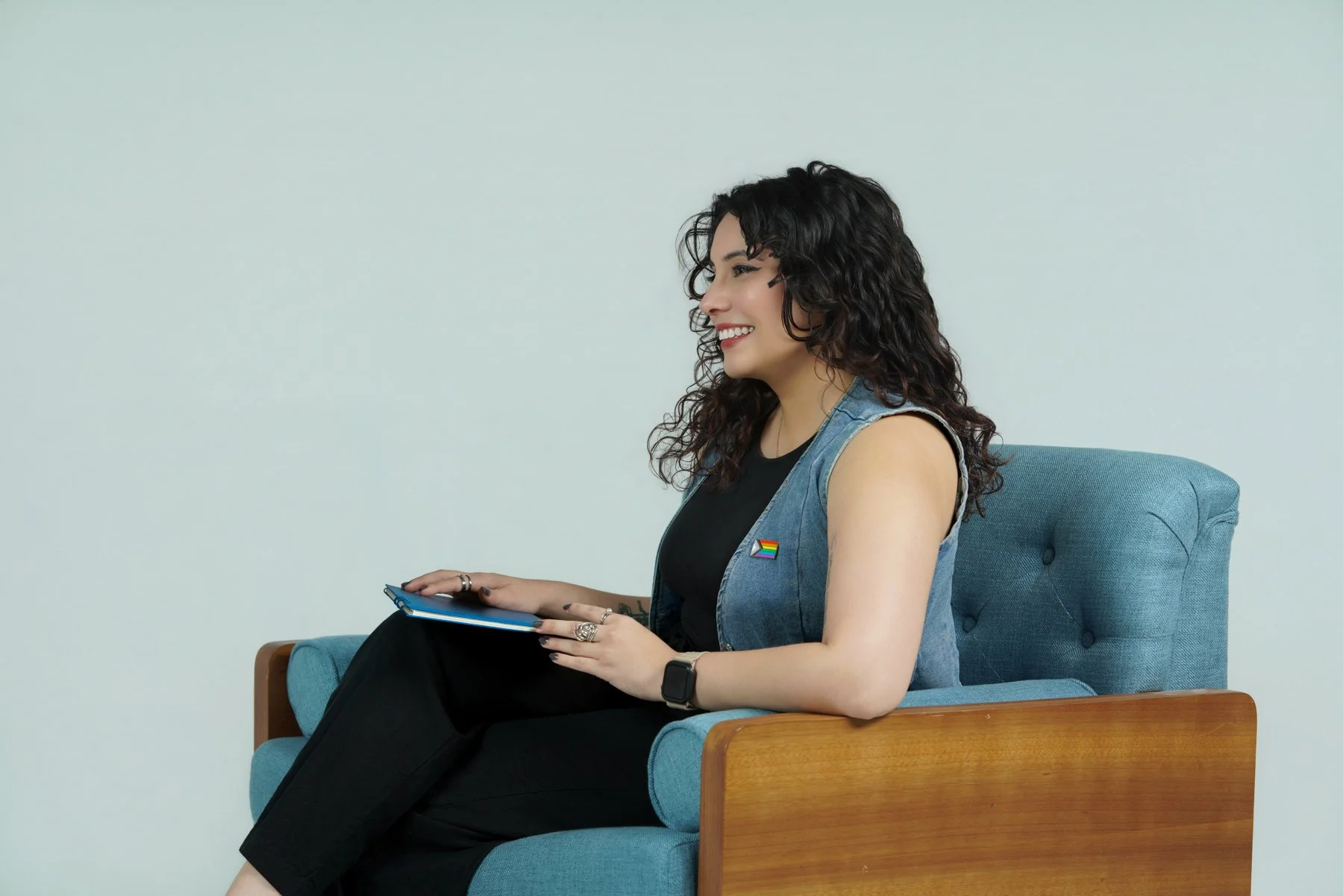
We do not always grow up with the ability or knowledge how to work through struggles with emotional availability, and that is where therapy for anxiety in relationships can be helpful.
By focusing on emotional availability, you can create more clarity, boundaries, and self-trust in relationships—regardless of the initial chemistry.
If you find yourself feeling curious about how to work through these patterns, working with a therapist in Los Angeles or in-person therapist in Torrance, CA can help you slow things down
As an anxiety therapist in Los Angeles, CA, I support first-generation, BIPOC, and Queer adults who are tired of carrying everything alone and want a more compassionate relationship with themselves and their connections. If you’re curious about what healing could look like for you, I invite you to explore the possibility of working together.
You deserve support that honors who you are, where you come from, and who you’re becoming. Whenever you’re ready, I’m here.
Contact me today for your free consultation at (323) 493-6644 or Book Here.

Ligia Orellana, LMFT (#122659)
I’m an anxiety therapist in Los Angeles, California, certified in LGBTQ+ Affirmative Therapy and Somatic Attachment Therapy. I support first-generation BIPOC and Queer adults who feel the pressure to hold it all together in moving through self-doubt, anxiety, and relationship stress. My work creates space for deeper connection and self-trust through emotional safety and cultural understanding.
Learn more about my work in Torrance or through online therapy, explore specialties like relationship stress and people-pleasing and self-doubt, or visit my About page.
